US, Russia and Ukraine Convene First-Ever Trilateral Talks in the UAE
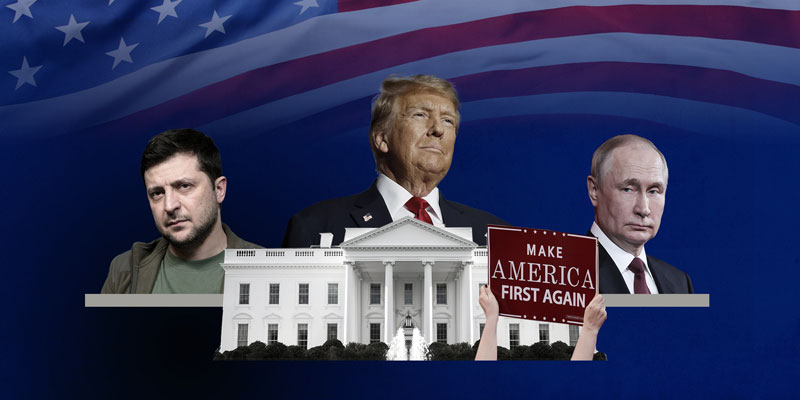
For the first time since the outbreak of the Ukraine war, senior representatives of the United States, Russia and Ukraine are meeting together in a single diplomatic forum. The talks, scheduled for January 23–24, 2026, are being held in the United Arab Emirates, a choice that underscores the growing role of neutral intermediaries in one of the world’s most entrenched conflicts. Ukrainian President Volodymyr Zelenskyy announced the meeting on the sidelines of the World Economic Forum in Davos, framing it as a cautiously hopeful step toward ending nearly four years of war.
Setting the Stage: Why These Talks Matter
The trilateral engagement comes at a moment of strategic fatigue on all sides. Ukraine continues to face battlefield pressure and uncertainty over long-term Western military assistance. Russia, while resilient, confronts economic strain and diplomatic isolation. The United States, under President Donald Trump’s second-term administration, has made ending the war a foreign policy priority, arguing that prolonged conflict serves no one’s interests.
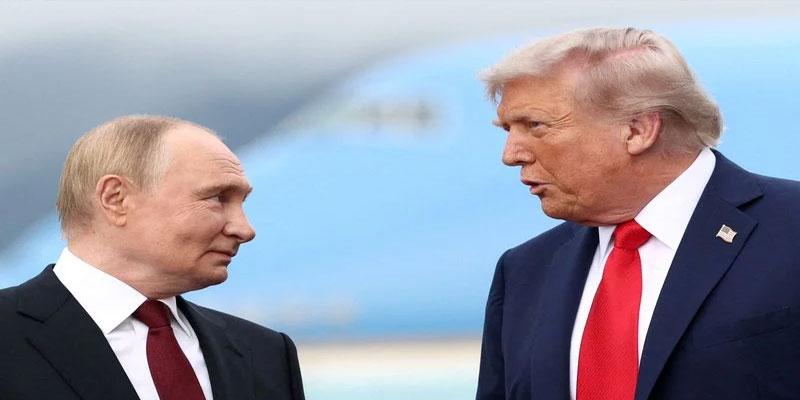
Zelenskyy’s recent hour-long meeting with President Trump in Davos injected momentum into the process. While reaffirming that Ukraine would not accept defeat or unilateral territorial concessions, Zelenskyy emphasized the need for credible security guarantees as the foundation of any settlement. Trump, for his part, has pushed for accelerated diplomacy, signaling openness to dialogue with Moscow while resisting further sanctions escalation.
Negotiating Positions and Strategic Tensions
Public messaging ahead of the Abu Dhabi talks highlights the gap that negotiators must bridge. Zelenskyy has reiterated Ukraine’s core demands: robust air defense systems, enforceable security assurances, and no forced withdrawal from contested regions without reciprocal commitments. He has also urged Europe to significantly expand its collective military capacity by the end of the decade, warning that Russia’s long-term force posture remains a threat.
The US approach, however, reflects a more transactional urgency. American envoys Steve Witkoff and Jared Kushner have described the talks as narrowing toward a manageable set of issues, suggesting that compromises—particularly on sequencing ceasefires, territorial administration, and reconstruction—are under discussion. Russia, while publicly reserved, appears willing to test diplomatic channels without conceding strategic leverage.
The Roles of the US and UAE as Facilitators
The United States enters the talks as the primary diplomatic driver. Washington’s influence over military aid to Kyiv and its ability to shape sanctions relief or enforcement give it unmatched leverage. Witkoff and Kushner are expected to chair working groups focused on military de-escalation mechanisms and economic stabilization, positioning the US as both broker and guarantor of any interim arrangements.
The UAE’s role is subtler but equally significant. Abu Dhabi provides a politically neutral, logistically secure environment where adversaries can engage without symbolic concessions. Over recent years, the UAE has cultivated a reputation as a discreet mediator, maintaining functional ties with Moscow, Kyiv and Washington alike. By hosting the talks, it enhances its standing as a global convening power while insulating negotiations from the polarization that has stalled efforts elsewhere.
Risks, Opportunities and Possible Outcomes
The trilateral format itself is a diplomatic breakthrough, but success is far from assured. Failure could deepen Ukraine’s isolation, embolden Russian maximalism, or strain transatlantic unity if Washington’s priorities diverge from Europe’s. Conversely, even modest progress—such as localized ceasefires, prisoner exchanges, or reconstruction frameworks—could rebuild trust and unlock broader negotiations.
A Fragile but Meaningful Opening
The Abu Dhabi talks do not promise an immediate end to the war, but they mark a shift from entrenched postures toward structured engagement. With the US applying pressure and the UAE providing neutral ground, the process tests whether diplomacy can move beyond symbolism to substance. The outcome will reveal whether this trilateral experiment becomes a foundation for peace—or another missed opportunity in a conflict defined by delay and distrust.
(With agency inputs)