Government Cracks Down on Pre-Ride Tip Prompts
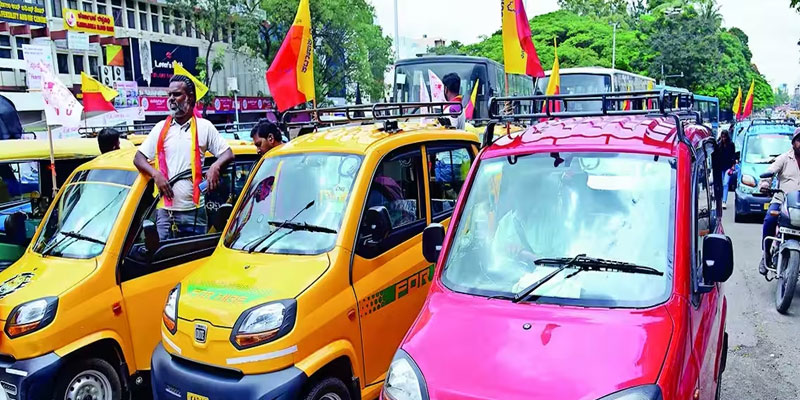
The Centre has directed ride-hailing platforms including Ola, Uber, Rapido and InDrive to immediately remove all pre-ride tipping prompts from their apps, calling such features misleading, manipulative and inconsistent with consumer protection norms. The advisory, issued by the Ministry of Road Transport and Highways (MoRTH) on August 11, 2026, reinforces Clause 14.15 of the Motor Vehicle Aggregator Guidelines, 2025, which makes it clear that tips must remain entirely voluntary and can only be offered after a journey is completed.
Why the Government Intervened
The directive follows growing concerns that ride-hailing apps had begun using interface designs that subtly pressured passengers into paying extra even before their trip started. Features such as "Advance Tip," "Choose an Add-on," or messages suggesting that adding a tip could increase the chances of driver acceptance were found to create the impression that paying more would improve service.
According to the ministry, such practices amount to "dark patterns"—digital design techniques that influence consumer behaviour unfairly. By suggesting that a tip could secure quicker ride allocation or better service, these prompts undermined the voluntary nature of gratuities and violated the spirit of the Consumer Protection Act, 2019.
What the New Rules Require
Under the revised compliance framework, aggregators must remove every interface element that directly or indirectly encourages tipping before a ride ends.
The ministry has specifically instructed platforms to eliminate:
· Advance Tip options before ride confirmation.
· Add-on payment prompts linked to ride acceptance.
· Messages implying that tipping improves driver allocation or waiting time.
· Any pre-ride payment feature that influences passenger decisions.
The tipping option may now appear only after the trip has been successfully completed, ensuring that passengers reward service quality rather than paying in anticipation of receiving basic service.
What It Means for Drivers and Platforms
The directive does not eliminate tipping altogether. Instead, it protects its original purpose.
Drivers will continue receiving voluntary tips, but the rules require that 100% of every tip must be transferred directly to the driver without any platform commission or service charge. This prevents aggregators from turning gratuities into an additional revenue stream.
For companies like Ola, Uber, Rapido and InDrive, the order requires immediate redesign of payment flows and app interfaces to comply with the Motor Vehicle Aggregator Guidelines, 2025. Failure to comply could invite enforcement action under the Motor Vehicles Act, along with scrutiny from consumer protection authorities.
A Relief for Millions of Daily Commuters
The decision is expected to benefit millions of passengers who increasingly felt compelled to pay extra simply to improve their chances of getting a ride. By separating tipping from ride allocation, the government hopes to restore transparency in pricing and eliminate hidden psychological pressure during booking.
The move also establishes a clearer distinction between mandatory fare payments and voluntary appreciation, creating a more predictable experience for both passengers and drivers.
A Strong Message Against Digital Manipulation
The Centre's intervention signals that convenience cannot come at the cost of consumer rights. As digital platforms become increasingly sophisticated, regulators are placing greater emphasis on preventing manipulative interface designs that distort user choices.
By restricting tipping to the end of a journey, the government has reaffirmed a simple principle: good service should earn appreciation—not demand payment before it is delivered.
(With agency inputs)