India is considering a gradual easing of tariffs and import restrictions on select Chinese goods to strengthen industrial supply chains and stabilize its trade dynamics amid shifting global relationships.
According to senior officials cited by Reuters, the Commerce Ministry and NITI Aayog are evaluating proposals to reduce duties and let some anti-dumping measures lapse on Chinese raw materials used in engineering, manufacturing, and leather industries—areas where domestic output continues to lag.
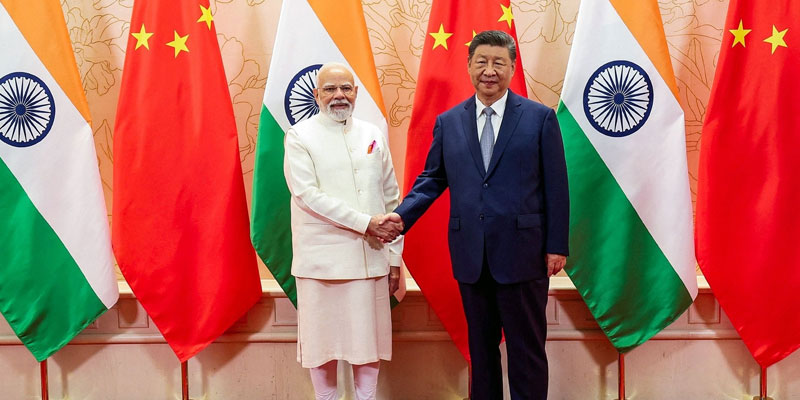
The initiative marks a measured pivot in India’s economic approach toward China, following four years of strained relations after the 2020 Galwan border clash. In August 2025, both nations agreed to restore business cooperation and reopen trade dialogues, paving the way for limited economic normalization.
Insiders say the government aims to secure manufacturing competitiveness while preserving national security and “Make in India” objectives.
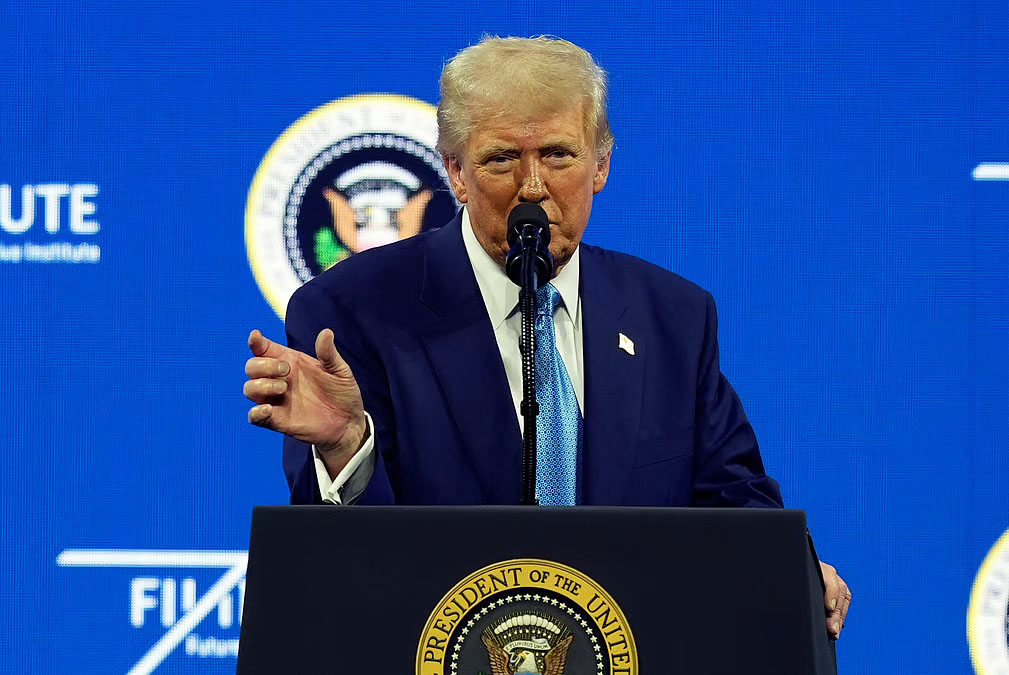
Strategically, the move also reflects India’s attempt to counterbalance the impact of Washington’s 50 percent tariffs on Indian exports, which have added pressure on domestic manufacturers.
Economists believe lowering Chinese input costs could prevent value-chain disruptions, curb inflation, and improve India’s export performance against rivals such as Vietnam, which imports Chinese components duty-free.
However, New Delhi’s stance remains cautious: implementation is expected to be selective and sector-targeted, prioritizing critical industries while safeguarding sensitive sectors. The adjustment signifies a pragmatic recognition that engagement—not exclusion—of China is essential for sustaining India’s growth and supply chain resilience in an era of deepening global protectionism.