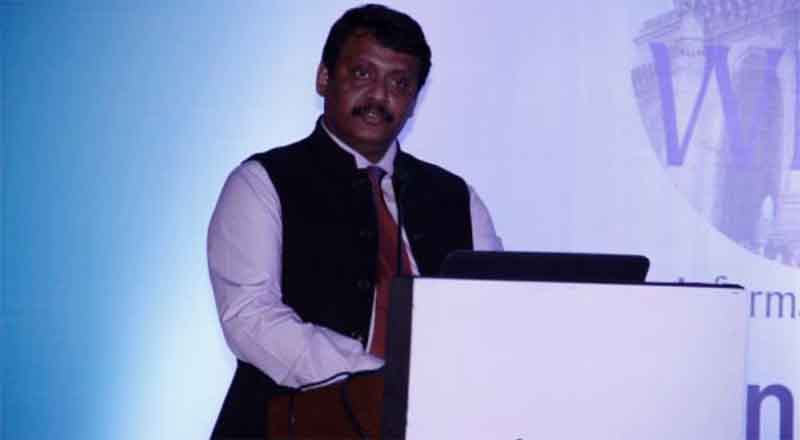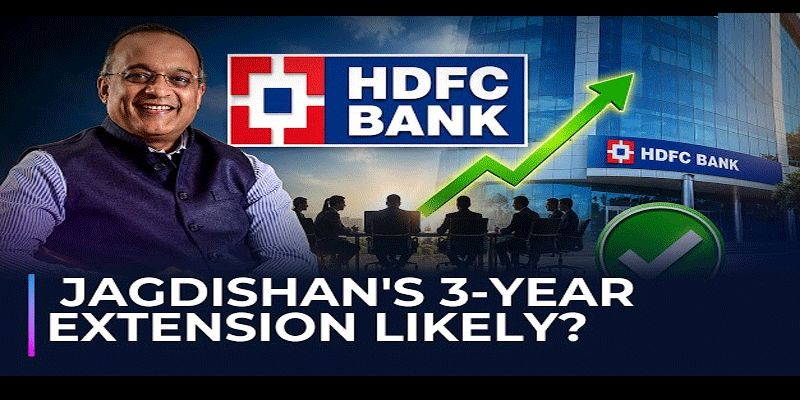
India’s largest private-sector lender, HDFC Bank, is heading for a major leadership transition after Managing Director and CEO Sashidhar Jagdishan decided not to seek another term. He will retire on October 26, 2026, ending months of uncertainty over his future.
The transition follows a turbulent year for the bank’s leadership. In March, part-time chairman Atanu Chakrabortyunexpectedly resigned, triggering questions around governance and succession at one of India’s most systemically important financial institutions.
In June, former NITI Aayog Vice Chairman Rajiv Kumar was appointed additional independent director and designated part-time chairman, subject to RBI approval. The bank also named Puneet Sharma as CFO-designate, with his appointment effective December 1.
Further uncertainty emerged in July when HDFC Bank initiated disciplinary action against three senior executives, including Jagdishan and the CFO, following an internal investigation. These developments intensified market attention on the bank’s senior-management structure.
Investor concerns became increasingly visible when HDFC Bank shares touched a 2.5-year low on August 27. Two days later, Jagdishan informed the board that he would not seek reappointment despite reportedly being asked to reconsider.
His departure is significant because Jagdishan guided HDFC Bank through the landmark merger with HDFC Ltd, fundamentally expanding the bank’s scale. His successor will inherit responsibility for growth, asset quality, digital transformation, governance and regulatory relationships.
The bigger issue now is institutional confidence. HDFC Bank has successfully navigated a transformational merger; its next test is executing an equally credible leadership transition. A strong successor and smooth handover could restore investor confidence, while prolonged uncertainty could remain an overhang on the bank’s growth story.