Explosions rock Iran’s coast, blasts at a Saudi air base amid Middle East escalation, as the conflict between Tehran and Washington enters a dangerous new phase. The latest confrontation has moved beyond conventional military targets, increasingly placing oil tankers, commercial shipping and critical maritime routes at the centre of the conflict.
A Conflict Spilling Across the Gulf
Tensions have been building for months around Iran’s nuclear programme, its regional alliances and the struggle over maritime access through the Strait of Hormuz. The latest escalation comes after repeated Iranian attempts to strike US naval vessels and Washington’s retaliatory campaign against Iranian oil carriers. The confrontation now risks drawing Gulf states and commercial shipping deeper into the war.
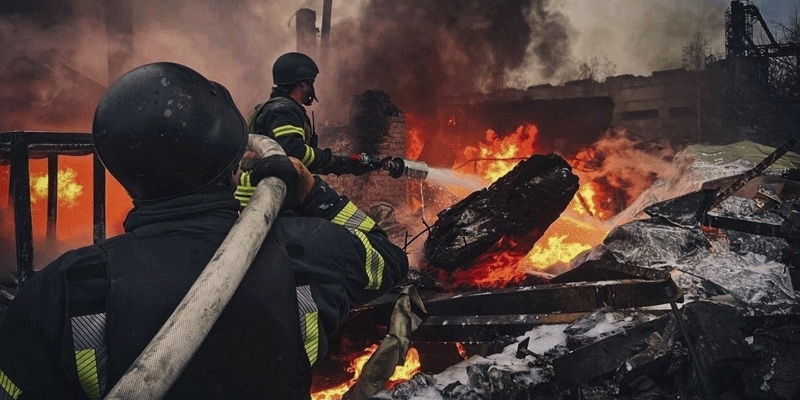
Explosions were reported along Iran’s southern coastline, including Qeshm Island and the areas of Sirik and Minab in Hormozgan province. Iranian authorities said some of the sounds originated from the sea but did not immediately provide a detailed explanation or assessment of damage.
At the same time, reports emerged of powerful blasts near Saudi Arabia’s King Fahd Air Base and in Taif. These reports come amid intensified attacks by Iran-backed Houthi forces against Saudi targets, adding another layer to an already volatile regional security environment. Saudi authorities have separately reported heightened threats and attacks in the kingdom’s south.
Tankers Become the New Frontline
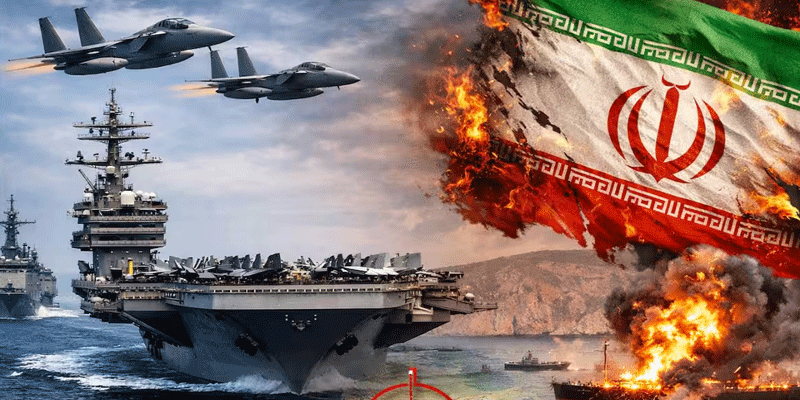
The most significant development has been the unprecedented maritime exchange between Iran and the United States. US Central Command said its forces destroyed five Iranian crude-oil carriers—Kaviz, Charminar, Horizon 1, Riesco and Derya—after the Islamic Revolutionary Guard Corps targeted a US Navy warship with ballistic missiles on two consecutive days. The US said the warship evaded the attacks and that crews were ordered to abandon the vessels before they were struck.
Iran responded by claiming attacks on 10 vessels near the Strait of Hormuz, including two US-linked ships and eight oil tankers. Tehran described the strikes as retaliation for Washington’s destruction of Iranian tankers. The United States, however, has disputed claims that its warships were successfully hit. Reports also indicate that at least one seafarer was killed and another went missing, highlighting the growing human cost of the maritime confrontation.
Hormuz at the Heart of Global Risk
The Strait of Hormuz is central to the crisis because roughly one-fifth of global oil and gas shipments traditionally pass through the waterway. Reduced traffic and growing risks to commercial vessels have already pushed Brent crude above $100 a barrel, threatening higher energy costs, inflation and wider economic disruption.
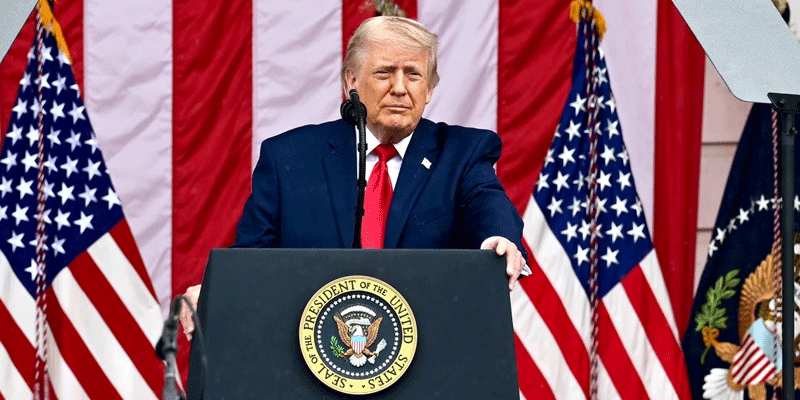
Iran has also claimed missile attacks against a US-linked base in Jordan, while Jordan said its air defences intercepted most incoming missiles. President Donald Trump has predicted that the war could end by November, but the expanding maritime confrontation suggests that a quick resolution remains far from certain.
A Dangerous Path Beyond Containment
The destruction of tankers and attacks on shipping represent a major escalation because they directly threaten the infrastructure connecting the Middle East to the global economy. If retaliation continues unchecked, the Gulf could become not merely a battlefield, but a sustained disruption point for energy and international trade. De-escalation and diplomacy are therefore no longer secondary objectives—they are essential to preventing a regional conflict from becoming a global economic shock.
(With agency inputs)