High-Powered Task Force to Rebuild Trust in Competitive Exams
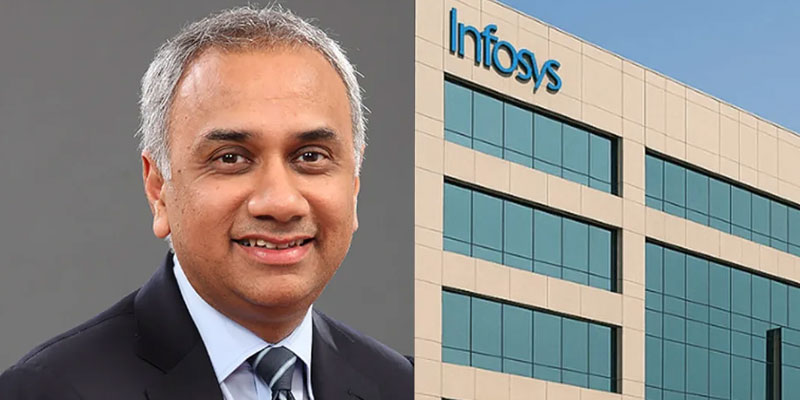
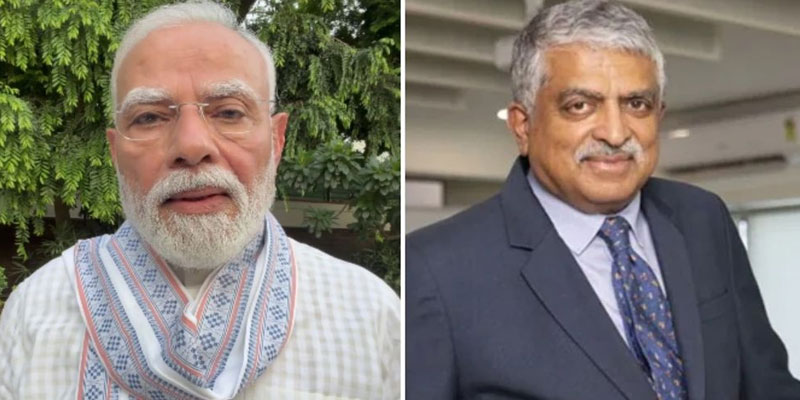
Prime Minister Narendra Modi has constituted a high-powered task force headed by Nandan Nilekani to overhaul India's examination system in the wake of the NEET-UG 2026 paper-leak controversy. The panel has been tasked with recommending technology-driven and institutional reforms to make public examinations more transparent, secure and credible. The initiative comes alongside the government's broader legislative push to impose stricter penalties, establish fast-track courts and strengthen the legal framework against examination fraud.
Repeated Exam Scandals Prompt Structural Reforms
India's competitive examination system has faced recurring allegations of paper leaks, impersonation, organised cheating and procedural lapses over the past several years. High-stakes examinations conducted for admissions and government recruitment have increasingly come under public scrutiny, raising concerns over fairness and merit.
The NEET-UG 2026 controversy intensified nationwide demands for comprehensive reforms rather than isolated punitive action. Recognising that examination fraud has evolved into a complex challenge involving technology, logistics and organised criminal networks, the government has opted for a systemic approach through this expert task force.
Building a Secure and Transparent Examination Ecosystem
The Prime Minister stated that the committee will undertake a comprehensive review of India's examination framework, identify structural vulnerabilities and recommend practical reforms for implementation.
Its primary areas of focus include preventing paper leaks, strengthening candidate verification systems, improving cybersecurity, securing digital examination platforms, enhancing question paper movement protocols, and creating a robust testing ecosystem that minimises opportunities for manipulation. Unlike previous responses that largely focused on punishment after irregularities occurred, this initiative seeks to redesign the system to prevent fraud before it happens.
Why Nandan Nilekani's Leadership Matters
The appointment of Nandan Nilekani reflects the government's emphasis on technology-led governance. Having played a pivotal role in building India's large-scale digital public infrastructure and identity ecosystem, Nilekani brings extensive expertise in digital architecture, secure databases and scalable governance systems.
His leadership indicates that future examination reforms are expected to rely on stronger digital platforms, integrated monitoring systems, secure data management and technology-enabled oversight rather than depending solely on legal deterrence.
Eminent Members and Their Expertise
The task force brings together experts from technology, intelligence, education, administration and logistics, reflecting the multidimensional nature of examination security.
· Nandan Nilekani (Chairperson): Will lead the redesign of technology architecture, digital governance and data-security frameworks for examinations.
· S. Somanath: Former ISRO Chairman, bringing expertise in precision engineering, systems integration and high-reliability process management.
· Tapan Deka: Former Intelligence Bureau Director, contributing intelligence, surveillance and counter-network expertise to detect organised examination fraud.
· V. Kamakoti: Director, IIT Madras, offering deep knowledge of cybersecurity, software integrity, artificial intelligence and secure digital infrastructure.
· Anita Karwal: Former Education Secretary, providing extensive experience in education policy, assessments and large-scale examination administration.
· Amrit Lal Meena: Logistics expert with experience in public administration, expected to strengthen secure transportation, storage and chain-of-custody protocols for examination materials.
Treating Exam Integrity as National Governance
The composition of the panel underscores a significant policy shift. Examination security is no longer being viewed solely as an educational challenge but as an issue involving national governance, cybersecurity, logistics and institutional accountability.
Its success, however, will depend on whether it develops enforceable standards for digital testing, secure paper movement, comprehensive audit trails and clearly defined accountability mechanisms. Sustainable reform requires coordinated implementation across central agencies, states, examination bodies and technology providers.
A Defining Opportunity for Lasting Examination Reform
The Nilekani-led task force represents one of India's most comprehensive attempts to modernise and secure its examination ecosystem. By combining expertise from technology, intelligence, education and administration, the government is signalling a transition from reactive crisis management to proactive institutional reform. If its recommendations are implemented with transparency and commitment, the initiative could restore public confidence and establish a resilient examination framework where merit, integrity and accountability become the defining pillars of India's competitive testing system.
(With agency inputs)