Iran Escalates, Rejects Talks Narrative
Iran has launched multiple waves of missiles into Israel, setting off air-raid sirens across Tel Aviv and other cities and causing damage from falling debris in northern regions. While casualties remain limited, the scale and frequency of the strikes highlight a calibrated escalation. At the same time, Tehran has firmly dismissed U.S. President Donald Trump’s claims of ongoing negotiations as “fake news,” signaling a dual strategy: intensifying military pressure while denying any formal diplomatic engagement. This combination of battlefield action and information control underscores Iran’s intent to retain the initiative, both militarily and politically.
Competing Narratives and Strategic Messaging
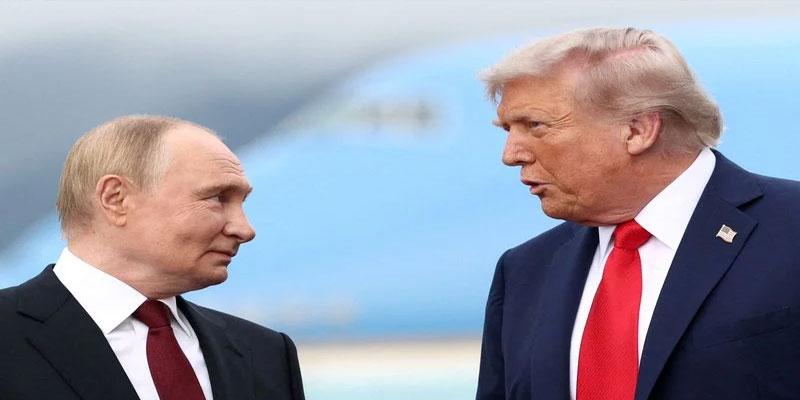
At the heart of the crisis lies a stark divergence in narratives. Trump has projected optimism, claiming “very good and productive” talks toward a comprehensive resolution and announcing a five-day pause on planned U.S. strikes against Iran’s energy grid. However, Iran’s leadership has categorically rejected these assertions. Senior figures, including parliamentary leadership, insist no such negotiations have taken place, framing Washington’s claims as an attempt to influence global oil markets and shift perceptions of the conflict.
This disconnect reveals more than simple miscommunication—it reflects deliberate strategic messaging. For Washington, the suggestion of talks signals control and a pathway to de-escalation. For Tehran, denying negotiations reinforces an image of resistance and independence, particularly in the face of external pressure. Meanwhile, indirect or intermediary channels may still exist, but their opacity adds to the overall ambiguity.
A ‘TACO’ Moment? Trump’s Strategic Retreat
Amid rising tensions, Trump appears to be navigating what critics describe as another “TACO” moment “Trump Always Chickens Out.” Having earlier threatened to “obliterate” Iran’s power plants if the Strait of Hormuz was not reopened within 48 hours, his decision to delay strikes suggests a notable recalibration. Whether driven by caution, strategic reconsideration, or geopolitical constraints, the pause marks a retreat from immediate escalation.
Yet interpretations of this move vary widely. Some analysts—and voices within Tehran—argue that the suspension of attacks on Iranian energy infrastructure is less about restraint and more about market manipulation. By hinting at both escalation and diplomacy, Washington may be attempting to influence oil prices and global sentiment without committing to a definitive course of action. This perception feeds into Iran’s broader narrative that U.S. policy is as much about economic signaling as it is about military strategy.
Israel’s Position and Regional Risk Calculus
Israel, for its part, is maintaining a dual-track approach. Prime Minister Benjamin Netanyahu has expressed openness to a potential deal while reaffirming that military operations will continue. This balancing act allows Israel to sustain pressure on Iranian-linked targets while leaving room for diplomatic developments shaped by U.S. engagement.
However, the risks of escalation remain acute. Iran has warned that any attack on its domestic energy infrastructure would trigger retaliation against critical systems across U.S.-aligned states in the region, including energy, water, and digital networks. Such a scenario could rapidly expand the conflict’s scope, disrupting not only regional stability but also global energy markets.
Escalation with Ambiguity
The current moment is defined by contradiction—missiles in the air, yet claims of diplomacy on the table; threats issued, then paused; narratives asserted, then denied. Trump’s apparent retreat, whether tactical or reactive, contrasts sharply with Iran’s assertive posture. Together, they create a volatile mix of uncertainty and brinkmanship. As each side seeks leverage without triggering uncontrollable escalation, the margin for miscalculation narrows. In this high-stakes environment, perception is as powerful as action—and the line between strategy and spectacle grows increasingly blurred.
(With agency inputs)