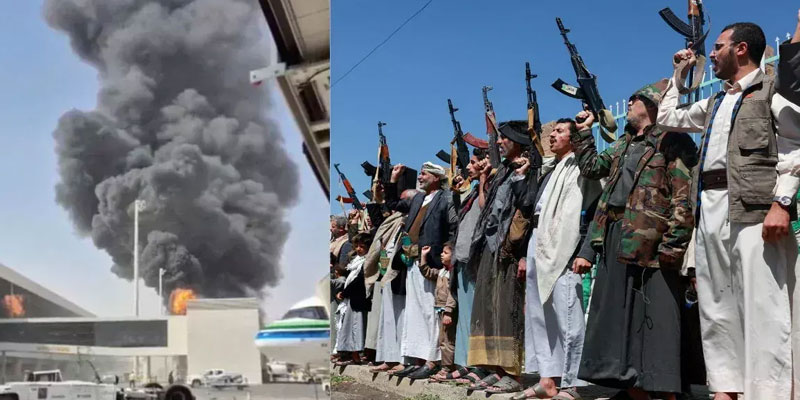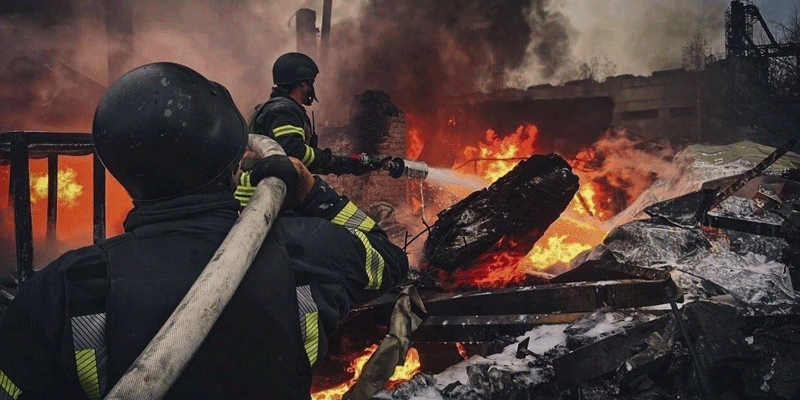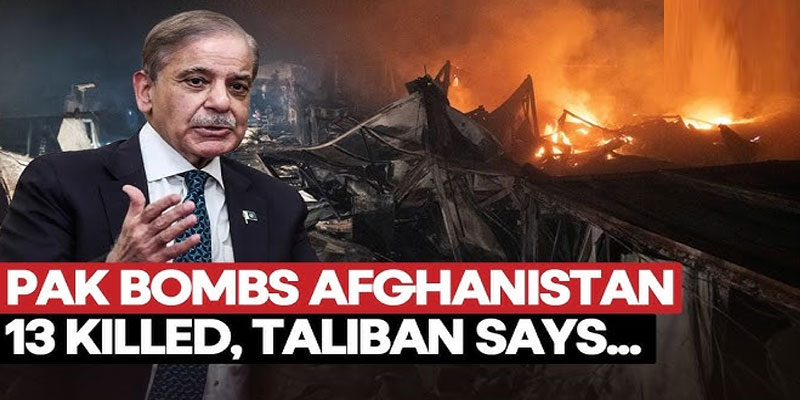
Pakistani airstrikes on Wednesday killed at least 13 people, including 11 children, in eastern Afghanistan, according to the Taliban administration, marking a sharp escalation in already fragile relations between Islamabad and Kabul. The strikes reportedly targeted areas in Kunar, Khost and Paktika provinces, while 14 others — mostly women and children — were injured. Taliban spokesperson Zabihullah Mujahid condemned the attacks as violations of Afghan sovereignty and accused Pakistan of targeting civilian homes rather than militant positions.
Rising Militancy Behind Cross-Border Tensions
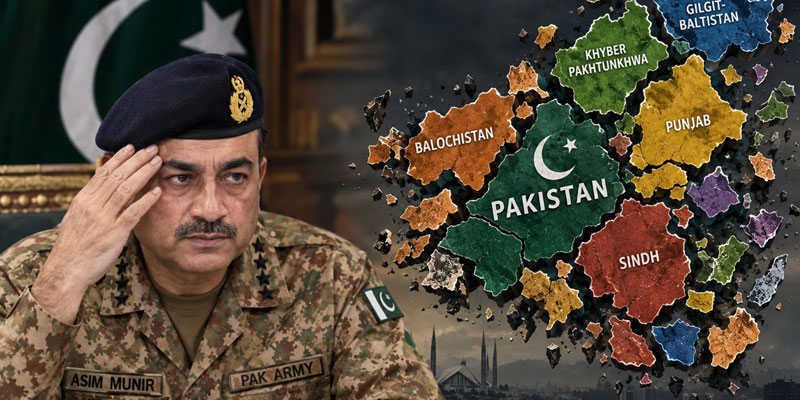
The latest strikes come amid rapidly worsening security conditions along the Pakistan-Afghanistan border. Since the Taliban returned to power in Afghanistan in 2021, Pakistan has witnessed a dramatic increase in militant violence, particularly in Khyber Pakhtunkhwa and Balochistan provinces.
According to conflict monitoring groups, militant attacks inside Pakistan have risen sharply since 2022, with insurgent groups intensifying operations against security forces and civilians. Islamabad has repeatedly accused Afghanistan-based militant organizations, especially the Tehreek-e-Taliban Pakistan (TTP), of orchestrating attacks from sanctuaries across the border.
The deteriorating security environment has resulted in thousands of deaths over the past two years and transformed the frontier into one of South Asia’s most volatile conflict zones. More than 80 border clashes were reportedly recorded in 2025 alone, alongside dozens of Pakistani aerial operations targeting alleged militant hideouts inside Afghan territory.
Pakistan Defends “Precision” Military Operations
Pakistan defended the latest operation by describing it as a series of “calibrated strikes” conducted on the basis of credible intelligence inputs. Information Minister Attaullah Tarar stated that the strikes targeted militant camps, training facilities and ammunition storage sites allegedly linked to extremist networks operating against Pakistan.
According to Islamabad, four militant targets were destroyed during the operation. Pakistani authorities insist the strikes were defensive measures aimed at preventing future terrorist attacks within Pakistani territory.
This is not the first time Pakistan has launched cross-border airstrikes into Afghanistan. Earlier operations in February 2026 and December 2024 similarly targeted suspected militant infrastructure following deadly attacks inside Pakistan, including suicide bombings and assaults on security installations.
Civilian Casualties Deepen Humanitarian Concerns
Despite Pakistan’s claims of precision targeting, civilian casualties have once again become the central issue surrounding the strikes. Taliban officials stated that most victims were women and children, reinforcing criticism that aerial operations in populated areas continue to inflict devastating humanitarian consequences.
Previous incidents have followed a similar pattern. Airstrikes in Nangarhar, Khost and other border provinces over the past two years resulted in multiple civilian deaths, including women and minors. Rights observers and regional analysts warn that repeated military actions risk fueling anti-Pakistan sentiment inside Afghanistan while worsening instability along the frontier.
The strikes also expose the fragile nature of Pakistan-Taliban relations. While both sides initially sought closer engagement after the Taliban takeover, mistrust has deepened over border fencing disputes, militant sanctuaries and competing security narratives.
Regional Security Risks Continue to Grow
The renewed cross-border violence highlights broader instability across the Afghanistan-Pakistan region, where militant networks, weak border management and geopolitical tensions continue to intersect dangerously.
For Pakistan, rising militant attacks have created mounting domestic pressure for stronger security responses. For Afghanistan’s Taliban government, repeated airspace violations challenge its claims of sovereignty and internal control.
A Dangerous Cycle Without Clear Resolution
The latest Pakistani airstrikes underscore the increasingly dangerous cycle of militancy, retaliation and civilian suffering along the Afghanistan-Pakistan border. While Islamabad views such operations as essential counterterrorism measures, the growing civilian toll risks deepening hostility and undermining prospects for regional stability.
Without sustained diplomatic engagement, intelligence cooperation and credible mechanisms to address cross-border militancy, both countries risk sliding further into confrontation. The tragedy also serves as a reminder that military solutions alone may not resolve a conflict rooted in decades of mistrust, porous borders and competing strategic interests.
(With agency inputs)