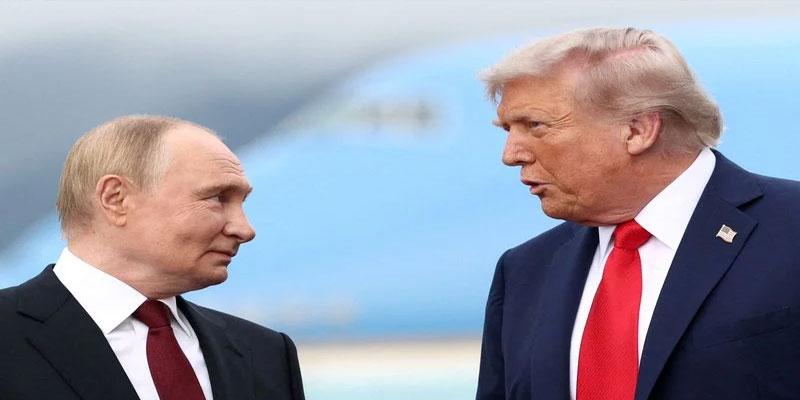
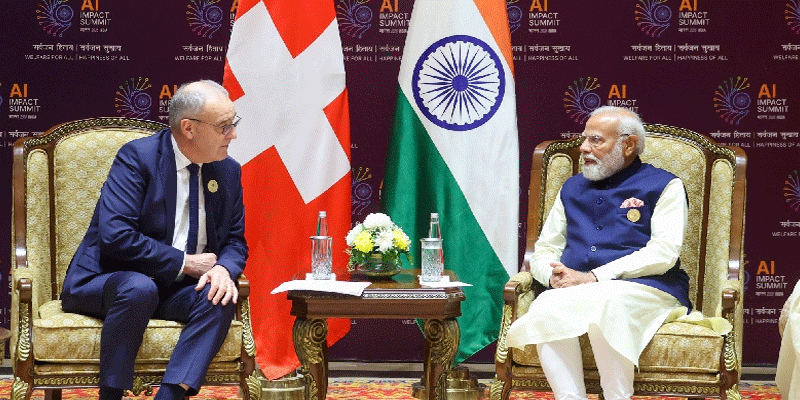
Russian President Vladimir Putin has projected that bilateral trade between India and Russia could soon cross the ambitious $100 billion mark, well before the previously targeted 2030 timeline. Speaking after discussions with Prime Minister Narendra Modi, Putin highlighted the rapidly expanding economic relationship between the two nations and described the Kudankulam Nuclear Power Plant as a “stellar example” of strategic cooperation. The remarks reflect the growing depth of India-Russia ties in energy, trade and long-term infrastructure partnerships despite shifting global geopolitical dynamics.
Trade Relations Expanding at Record Pace
India-Russia trade has witnessed unprecedented growth over the past few years, driven largely by increased Indian imports of discounted Russian crude oil following Western sanctions on Moscow. Bilateral trade reportedly reached nearly $68.7 billion in FY2024-25, marking a historic high for both countries.
The original target set by the two governments aimed to raise trade to $100 billion annually by 2030. However, both sides now appear increasingly confident that the milestone can be achieved much earlier. Indian Ambassador Vinay Kumar stated that both nations are “moving confidently” toward the target while also working to diversify the trade basket beyond energy imports.
Analysts note that while energy remains the dominant driver, India and Russia are now exploring cooperation in sectors such as pharmaceuticals, fertilizers, technology, logistics and infrastructure development.
Kudankulam Emerges as Symbol of Strategic Partnership
A major focus of Putin’s remarks was Russia’s contribution to India’s civil nuclear energy programme, particularly through the Kudankulam Nuclear Power Project in Tamil Nadu’s Tirunelveli district. Developed by Rosatom, the project has become one of the most significant symbols of long-term India-Russia cooperation.
In addition, approximately 75 percent of India’s nuclear capacity currently under construction is linked to Kudankulam-related expansion. Officials have described the facility as India’s most productive nuclear power plant and a critical component of the country’s energy security strategy.
Deepening Cooperation Beyond Traditional Sectors
India’s External Affairs Minister S. Jaishankar previously described Russia as India’s “foremost partner in civil nuclear energy.” During Putin’s 2025 visit to India, both nations also signed agreements aimed at expanding cooperation in nuclear fuel supply, technology transfer and the development of small modular reactors.
Putin further highlighted that Russian-backed projects now represent some of the largest foreign investments in India’s infrastructure and energy sectors. Despite increasing geopolitical pressures globally, both countries continue to maintain strong strategic alignment across defense, energy and trade.
A Partnership Built on Strategic Interdependence
Putin’s emphasis on trade expansion and nuclear cooperation reflects the enduring strategic importance of India-Russia relations in an increasingly fragmented global order. While global alliances continue to shift, both countries appear determined to deepen economic and technological collaboration. The success of projects like Kudankulam and the rapid growth in bilateral trade suggest that the India-Russia partnership is evolving beyond traditional diplomacy into a broader framework of long-term strategic interdependence.
(With agency inputs)