Israel-Iran Escalation Raises Fears of Wider Regional Conflict
Israel and Iran exchanged fresh attacks on Sunday, sharply escalating tensions in West Asia and raising fears of a broader regional conflict. Amid the rapidly deteriorating situation, India issued an advisory urging its citizens in the region to remain cautious and avoid unnecessary movement. The latest confrontation comes after Iran launched missiles targeting Israeli positions in retaliation for an Israeli strike near Beirut, threatening to collapse an already fragile ceasefire environment.
Fresh Missile Exchanges Intensify Regional Tensions
According to the Israeli military, Iran fired multiple missile barrages toward Israeli territory, most of which were intercepted by air defence systems. Israeli officials described the attack as a “grave mistake” and warned of a “powerful” response against Tehran.
The strikes marked the first direct Iranian attack on Israel since an April ceasefire temporarily reduced hostilities between the two sides. In response, fears quickly emerged that the conflict could expand beyond Israel and Iran, pulling in militant groups and regional allies across West Asia.
Iran, meanwhile, warned that any attack on its “Axis of Resistance” would trigger a wider coordinated response from allied forces across the region.
Understanding Iran’s “Axis of Resistance”
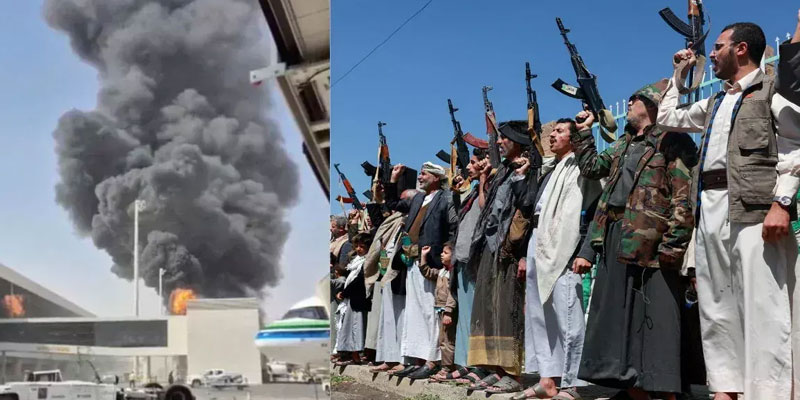
The “Axis of Resistance” refers to a loose coalition of Iran-backed armed groups operating across the Middle East. The network includes Lebanon’s Hezbollah, Yemen’s Houthi rebels, Hamas in Palestine and several Iraqi militia groups aligned with Tehran.
These groups have played a central role in Iran’s regional strategy for years, allowing Tehran to exert influence beyond its borders while countering Israeli and American presence in the region.
During earlier phases of the conflict in 2026, members of the alliance reportedly launched coordinated attacks supporting Iran, including missile strikes by Houthi forces toward Israeli targets.
However, analysts note that the collapse of Syria as a reliable regional ally has weakened Iran’s strategic depth and complicated coordination within the alliance.
Trump Pushes for Immediate Ceasefire
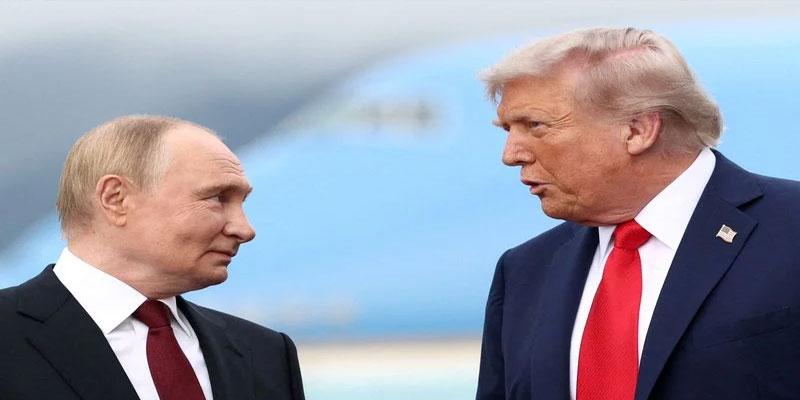
US President Donald Trump has emerged as a central figure in efforts to prevent the conflict from spiraling into a larger war. Reports suggest Trump personally urged Israeli Prime Minister Benjamin Netanyahu not to retaliate immediately after Iran’s missile strikes.
In a post on Truth Social, Trump claimed that both Israel and Iran were “looking to do an immediate ceasefire” and that “final negotiations on peace” were underway. He also warned that “ignorance or stupidity” could derail diplomatic progress.
At the same time, Trump reiterated Washington’s commitment to preventing Iran from acquiring nuclear weapons while maintaining economic pressure through sanctions and blockades.
India Issues Advisory Amid Growing Uncertainty
As tensions intensified, India issued a security advisory for Indian nationals in the region, reflecting concerns over the possibility of a wider conflict affecting civilians and international travel.
Global markets and diplomatic circles are also closely monitoring the situation, fearing disruptions to oil supplies, shipping routes and regional stability if hostilities continue.
Israeli officials have indicated that retaliation remains possible even if it does not occur immediately, leaving uncertainty over whether diplomacy can hold.
Diplomacy Faces Its Toughest Test Yet
The latest Israel-Iran confrontation underscores how fragile peace remains in West Asia despite repeated ceasefire efforts. With Iran’s regional allies threatening wider involvement and Israel promising a strong response, the risk of escalation continues to loom large. Trump’s push for diplomacy may temporarily slow the crisis, but sustaining peace will require restraint from all sides in a region already burdened by years of instability, proxy conflicts and geopolitical rivalry.
(With agency inputs)