A High-Stakes Electoral Showdown in Odisha
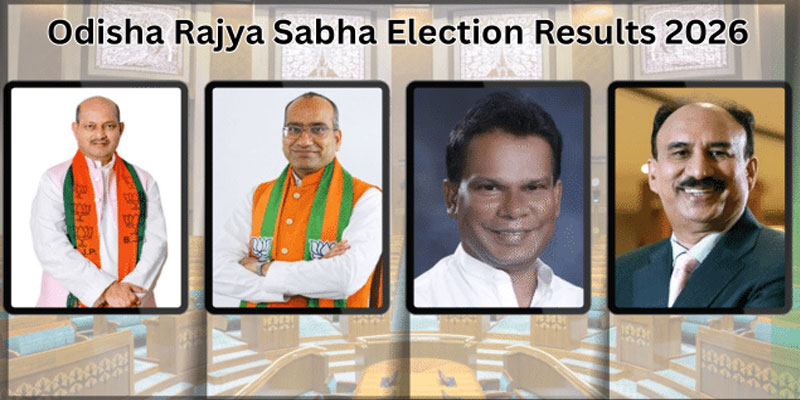
The Odisha Rajya Sabha elections have turned into a revealing political moment, exposing fractures within opposition ranks and reshaping the balance of power in the state. What was expected to be a straightforward contest evolved into a dramatic outcome, with the BJP clinching three out of four seats while the BJD managed to secure only one. The surprise victory of an independent candidate backed by the BJP has particularly underscored the shifting dynamics ahead of future electoral battles in Odisha.
Winners at a Glance
Mechanics of the Contest: Numbers That Mattered
The election followed the proportional representation system, where candidates needed roughly 30 first-preference votes in the 147-member assembly to secure a seat. The BJP, with 82 MLAs including independents, comfortably ensured two seats and was left with a surplus of around 22 votes.
This surplus became decisive in the battle for the fourth seat. The opposition-backed candidate Datteswar Hota, supported by the BJD, Congress, and CPI(M), appeared numerically strong on paper. However, the arithmetic quickly unravelled due to internal dissent and shifting loyalties.
How Cross-Voting Decided the Contest
Cross-voting emerged as the defining factor in the election. Despite a seemingly united opposition front, at least 11 MLAs reportedly defied party lines, tilting the balance in favour of Dilip Ray.
Within the BJD, several legislators are believed to have broken ranks, reflecting deeper internal tensions ranging from leadership disagreements to personal rivalries. Similarly, Congress witnessed cracks in its legislative unity, with some members allegedly ignoring party directives.
These deviations proved critical. Not only did they deny Hota the required numbers, but second-preference votes also consolidated Ray’s position, ultimately pushing him past the winning threshold. The episode highlights how Rajya Sabha elections, though indirect, can become arenas of intense political manoeuvring where discipline often gives way to strategic defection.
Political Ramifications: A Shift in Momentum
The outcome signals a clear rise in BJP’s influence in Odisha. By securing three seats, the party has demonstrated its ability to capitalise on opposition disunity and strategically back candidates who can attract cross-party support.
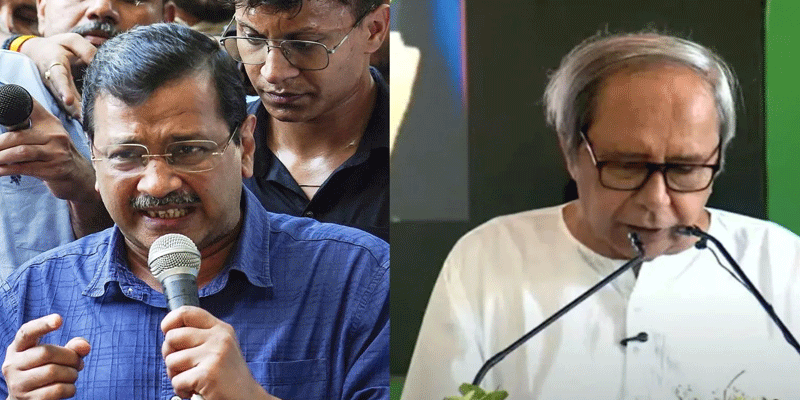
For the BJD, led by Naveen Patnaik, the results expose vulnerabilities that could have long-term implications. Once known for its tight organisational control, the party now faces questions over internal cohesion and its ability to retain legislative loyalty.
The Congress, already grappling with declining influence, appears further weakened. The cross-voting episode raises concerns about leadership effectiveness and the viability of broader opposition unity under alliances like the INDIA bloc.
A Warning Sign for Opposition Unity
The Odisha Rajya Sabha election is more than a routine parliamentary exercise—it is a political signal. The decisive role of cross-voting reveals that electoral strength is no longer determined solely by numbers but by cohesion and control within party ranks.
For the BJP, this is a strategic victory that strengthens its national footprint. For the opposition, it serves as a cautionary tale. Unless internal divisions are addressed and unity reinforced, similar outcomes may repeat in future contests. As Odisha moves toward the next electoral cycle, this episode stands as both a lesson and a preview of the political battles to come.