Court Rejects Pernod’s Bid to Resume Delhi Sales
India’s judiciary has dealt another setback to liquor major Pernod Ricard after a court declined the company’s request to resume liquor sales in New Delhi. The ruling extends a prolonged regulatory and legal dispute that has kept the company out of one of India’s most important alcohol markets for nearly three years, intensifying financial and strategic pressures on the spirits giant.
Origins of the Licensing Dispute
The controversy traces its roots to the now-scrapped Delhi excise policy and subsequent investigations into alleged irregularities in the capital’s liquor trade. In April 2023, Delhi authorities refused to renew Pernod Ricard India’s L-1 liquor licence after allegations emerged that company executives had improperly collaborated with retailers to expand market share during 2021.
Investigative agencies alleged that certain practices violated regulatory norms, including the extension of bank guarantees that allegedly benefited retail partners. Pernod Ricard has consistently denied wrongdoing and has argued that no criminal conviction has been secured against the company. Nevertheless, licensing authorities have repeatedly rejected its applications, citing their discretionary powers to deny permits to entities deemed lacking in the required standards of integrity and compliance.
The latest court decision reinforces the regulatory position and leaves the company without access to Delhi’s retail liquor market for the foreseeable future.
Why Delhi Matters to Pernod Ricard
The significance of the dispute extends far beyond a single state market. India is the largest market by volume for Pernod Ricard globally and remains a key growth engine for the company’s international business.
Delhi traditionally contributed around 5% of the company’s Indian sales, making it one of the most lucrative urban alcohol markets in the country. Given Pernod Ricard’s substantial revenue base in India, exclusion from the capital has translated into a meaningful loss of business and visibility.
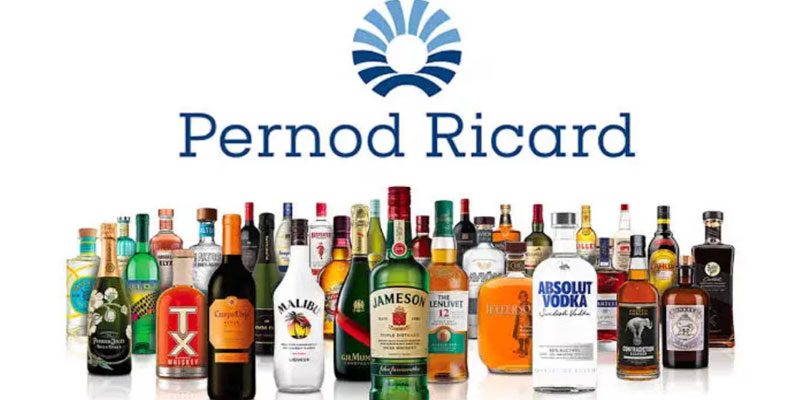
The absence of major brands such as Chivas Regal, Absolut Vodka and Black Dog from thousands of retail outlets across Delhi has also weakened the company’s consumer reach in a strategically important market.
How the Latest Rejection Worsens Financial Losses
The court’s decision deepens the financial damage already accumulated since 2023. Based on the company’s revenue profile and Delhi’s historical contribution, direct revenue losses over the three-year period are estimated at more than ₹4,000 crore.
Beyond lost sales, the company has incurred substantial legal, compliance and administrative expenses while contesting regulatory decisions. Equally significant is the erosion of market share. Rival firms such as Diageo, United Spirits and Radico Khaitan have strengthened their presence during Pernod’s absence, making any future return more challenging.
The company has also missed opportunities arising from the continued growth of India’s alcoholic beverage market, further increasing the long-term cost of exclusion.
A Regulatory Challenge with Lasting Consequences
The latest court rejection marks another difficult chapter in Pernod Ricard’s Delhi battle. What began as a licensing dispute has evolved into a broader challenge affecting revenues, market position and brand strength. Even if regulatory approval is eventually secured, rebuilding distribution networks and consumer presence will take time. The episode underscores how prolonged regulatory uncertainty can reshape competitive dynamics and impose lasting costs on even the largest players in a rapidly expanding market.
(With agency inputs)