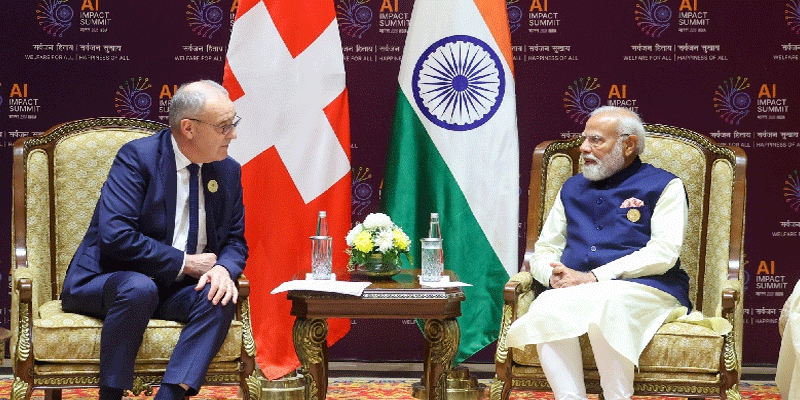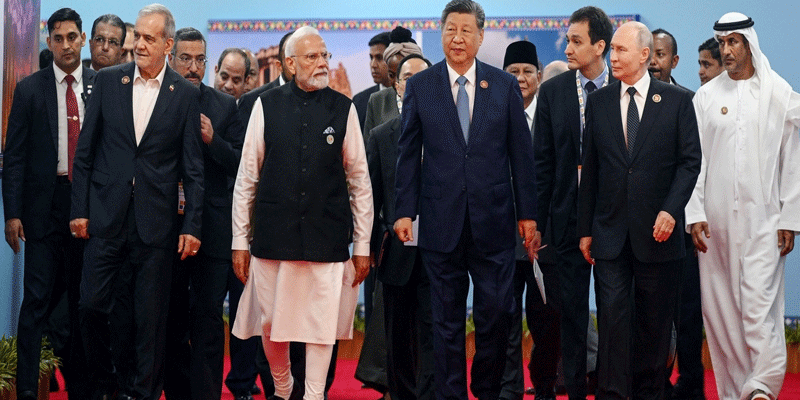
India’s BRICS hosting a success, helped build consensus, says top US analyst, with the New Delhi summit overcoming sharp differences among an expanded membership to produce a substantive joint declaration. For New Delhi, the outcome was an important test of whether BRICS could remain functional despite increasingly divergent strategic interests.
An Expanded Bloc Facing a Difficult Test
The 18th BRICS Summit, held in New Delhi on September 12–13 under India’s chairmanship, brought together 11 full members—Brazil, Russia, India, China, South Africa, Egypt, Ethiopia, Iran, the UAE, Indonesia and Saudi Arabia. Together, they represent nearly half of the world’s population, around 40% of global GDP and 26% of global trade.
The expansion has strengthened BRICS’ global influence but simultaneously complicated consensus-building. Members differ sharply over conflicts, relations with Washington, trade, sanctions and the future of the international financial system.
India’s BRICS Test Ends in Consensus
Michael Kugelman, senior fellow for South Asia at the Atlantic Council, described India’s hosting as a diplomatic success, particularly because members adopted a substantive New Delhi Declaration on the summit’s first day.
The declaration reaffirmed sovereign equality, mutual respect, inclusiveness and consensus while demanding greater representation for emerging and developing economies in global institutions. It backed reforms of the United Nations Security Council, IMF, World Bank and WTO.
Economic cooperation also received significant attention. BRICS criticised unilateral tariff and non-tariff measures that distort trade and undermine WTO principles. It supported stronger cross-border payment connectivity, interoperable payment systems, local-currency settlements, infrastructure financing and development of the BRICS insurance ecosystem.
These measures reflect the grouping’s effort to build greater economic resilience amid protectionism, supply-chain disruptions and uncertainty in global finance.
Tough Negotiations Tested India’s Diplomacy
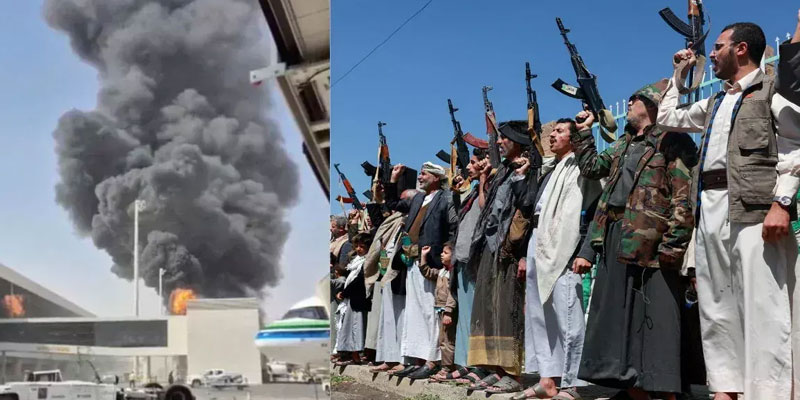
The most sensitive negotiations reportedly centred on the conflict involving Iran and the UAE. Tehran sought stronger language describing attacks on Iran as unilateral actions contrary to the UN Charter, while the UAE resisted wording that could intensify regional divisions.
Negotiations continued into the early hours before India helped secure language acceptable to all members. The final declaration avoided assigning responsibility while condemning attacks on civilians and nuclear facilities, supporting humanitarian access and urging de-escalation.
That compromise demonstrated India’s preferred diplomatic approach: avoid polarisation, keep opposing sides engaged and pursue the broadest possible consensus.
BRICS Still Faces Major Contradictions
The declaration also condemned the April 2025 Pahalgam terror attack and called for zero tolerance towards terrorism without double standards. On West Asia, it emphasised restraint, civilian protection, sovereignty, territorial integrity and dialogue.
Yet consensus should not be mistaken for unity. BRICS members remain divided over the United States, Ukraine, West Asia, sanctions and the pace of de-dollarisation. Implementation of declarations will also remain a challenge.
Consensus Strengthens India’s Diplomatic Standing
India’s summit therefore delivered more than a successful diplomatic event. It demonstrated that the enlarged BRICS can still negotiate differences and produce collective positions despite competing interests.
The real achievement for New Delhi was not eliminating disagreement, but proving that disagreement need not produce paralysis. If India can sustain this consensus-building approach, BRICS can evolve from a loose coalition of emerging powers into a more credible platform for practical Global South cooperation.
(With agency inputs)