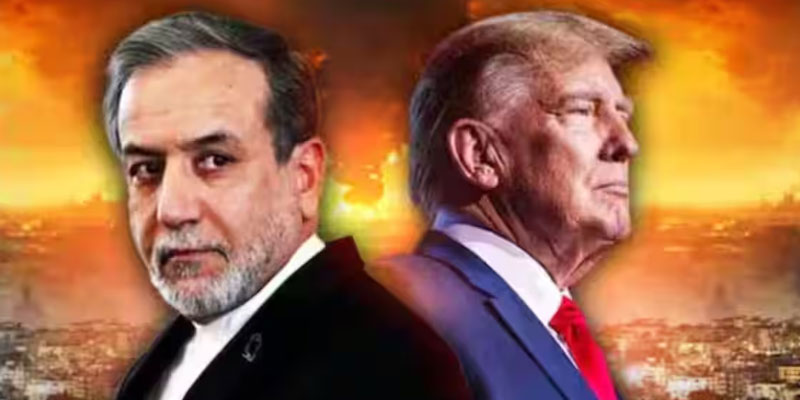
Iran’s mission to India on Friday firmly rejected US President Donald Trump’s allegations regarding attacks on Indian-linked vessels in the Strait of Hormuz, even as outrage continued to grow in India over the deaths of three Indian sailors off the coast of Oman. Tehran described Trump’s accusation as “simply baseless” and accused Washington of attempting to divert attention from US military strikes on commercial ships carrying Indian crew members.
Background to the Maritime Crisis
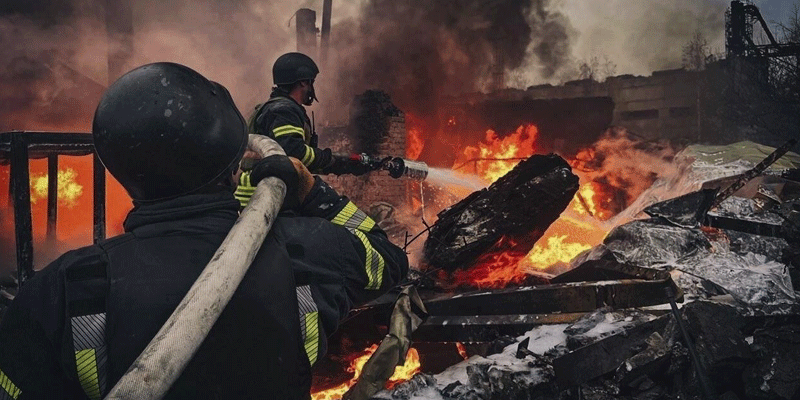
The controversy emerged after a series of attacks this week on commercial vessels operating near Oman and the Strait of Hormuz, one of the world’s most sensitive maritime trade corridors. The deadliest incident involved the Palau-flagged MT Settebello tanker, where US forces reportedly opened fire during operations linked to Washington’s blockade against Iran-related oil shipments. Three Indian seafarers, initially declared missing, were later confirmed dead.
India’s Ministry of External Affairs reacted strongly, summoning US Chargé d’Affaires Jason Meeks twice within days to register diplomatic protests. New Delhi called the attacks “deeply worrisome” and demanded an immediate halt to assaults on civilian shipping and maritime workers.
The developments have intensified concerns over the safety of Indian sailors working in conflict-prone waters. India remains one of the world’s largest suppliers of maritime manpower, with millions of Indian seafarers employed across global shipping routes. The Strait of Hormuz, through which a substantial portion of global oil trade passes, is also critical to India’s energy security and commercial interests.
Trump’s Allegation and Iran’s Response
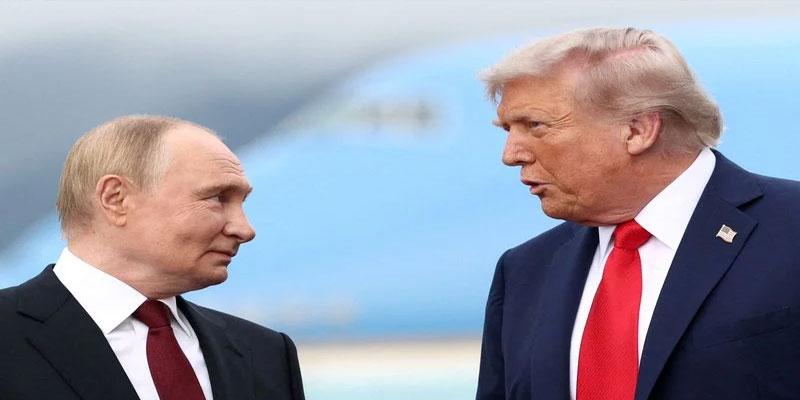
On Friday, President Donald Trump alleged that Iran had launched a drone attack on Indian ships leaving the Strait of Hormuz, describing the action as “totally unacceptable” in a post on Truth Social. However, he did not identify the vessels involved, leading to criticism and skepticism internationally.
Iran swiftly rejected the accusation. In a sharply worded statement posted on X, Iran’s mission in India accused the US administration of attempting to shift blame for the deaths of Indian sailors. Tehran argued that the real issue was the repeated targeting of vessels carrying Indian crew by American forces.
Iranian officials further described the US actions as “maritime piracy” and warned that such operations threaten freedom of navigation and international maritime stability.
India’s Diplomatic and Strategic Concerns
India has maintained a measured but firm response. MEA spokesperson Randhir Jaiswal stated that attacks on shipping “must stop,” emphasizing the need for uninterrupted maritime movement in accordance with international law.
The crisis has also exposed the growing geopolitical risks created by escalating US-Iran tensions. Indian policymakers are increasingly worried that commercial vessels and civilian sailors are becoming unintended casualties in a wider regional confrontation. Public anger in India has intensified, with calls for stronger diplomatic intervention to safeguard Indian nationals operating in West Asian waters.
A Dangerous Escalation in Strategic Waters
The deaths of Indian sailors near Oman have transformed a regional military confrontation into a sensitive diplomatic issue for India. As Washington and Tehran exchange accusations, New Delhi faces the challenge of protecting its maritime interests while balancing ties with both nations. The incident underscores how fragile security in the Strait of Hormuz has become, and why safeguarding civilian shipping must remain an international priority amid rising geopolitical tensions.
(With agency inputs)