Trust Deficit Dominates Conversations at the G7 Summit
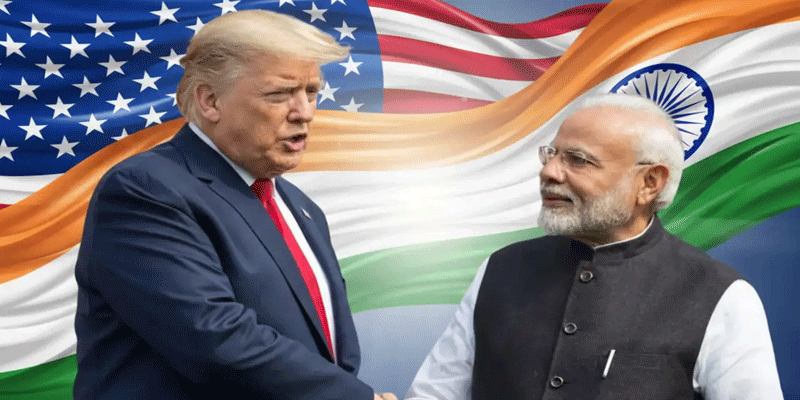
Prime Minister Narendra Modi's remarks at the G7 Summit that "the world does not suffer from a shortage of resources; it suffers from a shortage of trust" have drawn significant attention amid evolving dynamics in India-U.S. relations. The statement came as Modi and U.S. President Donald Trump greeted each other at the summit against the backdrop of growing policy differences between the two countries. The leaders are scheduled to hold bilateral discussions, making the timing of Modi's comments particularly noteworthy.
Beyond the diplomatic optics, Modi's speech offered insights into India's broader approach to global partnerships, strategic autonomy, and international cooperation at a time of increasing geopolitical uncertainty.
A Complex Phase in India-US Relations
India and the United States have significantly deepened ties over the past two decades, expanding cooperation in defence, technology, trade, and the Indo-Pacific region. Personal chemistry between Modi and Trump has often been highlighted as a factor strengthening bilateral engagement.
However, recent developments have introduced strains into the relationship. Trade disputes, tariff measures, differences over India's energy ties with Russia, and varying approaches to global conflicts have created friction. India's insistence on maintaining strategic autonomy has occasionally clashed with Washington's expectations on issues ranging from sanctions to geopolitical alignments.
As a result, while the broader strategic partnership remains important for both sides, recent months have witnessed growing debate about how the two democracies can reconcile their differing priorities.
Modi’s Speech: Trust as the Foundation of Global Partnerships
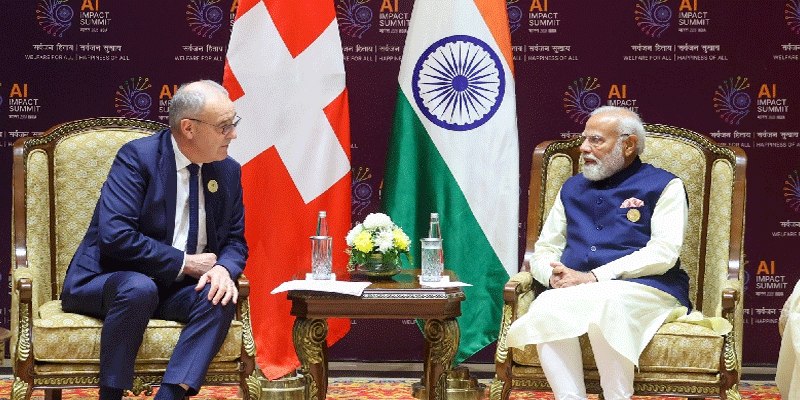
Addressing the G7 Outreach Session on forging new partnerships and rebuilding international solidarity, Modi argued that trust is the most valuable strategic asset in international relations.
According to the Prime Minister, access to technology, markets, or natural resources alone cannot sustain meaningful partnerships. Instead, lasting cooperation depends on mutual confidence and reliability. He also reflected on lessons from the COVID-19 pandemic, suggesting that global crises exposed weaknesses in international solidarity and highlighted the need for stronger trust among nations.
Modi further welcomed efforts to reduce tensions in West Asia, noting that conflicts not only claim lives but also disrupt trade routes, energy supplies, and economic stability across the world.
The Takeaway: More Than a Diplomatic Statement
The significance of Modi's remarks lies in their broader context. While he did not directly reference any country, the emphasis on trust was widely interpreted as a call for predictable and respectful international engagement.
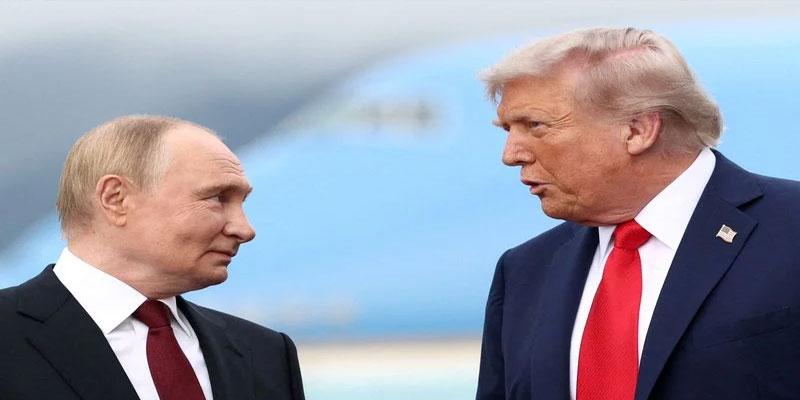
The visual symbolism at the summit also attracted attention. Unlike previous meetings marked by highly publicised displays of personal warmth, Modi and Trump exchanged a handshake rather than their often-discussed embrace. Though seemingly minor, such gestures are frequently viewed by diplomats and analysts as reflections of the prevailing mood in bilateral ties.
The message from India appeared clear: partnerships should be based on mutual respect and trust rather than purely transactional considerations.
Impact on India-US Relations
The upcoming Modi-Trump discussions provide an opportunity to address areas of disagreement while reaffirming the strategic importance of the relationship. Both countries continue to share interests in economic growth, regional stability, technology cooperation, and security.
Modi's trust-centric message is unlikely to alter policy positions immediately, but it may shape the tone of future engagement. By emphasizing dialogue, cooperation, and strategic independence, India has signalled that it seeks stronger partnerships without compromising its sovereign decision-making.
Trust Remains the Currency of Modern Diplomacy
At a time when global politics is increasingly shaped by conflicts, economic rivalries, and shifting alliances, Modi's remarks highlighted a fundamental reality: international relationships cannot thrive on interests alone. Trust remains the foundation upon which durable partnerships are built. For India and the United States, the challenge is not merely managing disagreements but ensuring that differences do not erode the confidence that has underpinned one of the world's most consequential strategic relationships. The success of future engagement may depend less on symbolic gestures and more on rebuilding that trust through consistent dialogue and mutual understanding.
(With agency inputs)