The Pakistan–Afghanistan border conflict has sharply escalated after Pakistani airstrikes targeted Taliban strongholds, prompting Kabul to threaten suicide retaliation along the disputed Durand Line. What began as cross-border skirmishes has now evolved into open warfare, with both sides claiming heavy casualties and territorial gains.
Operation Ghazab Lil Haq: Pakistan’s Offensive
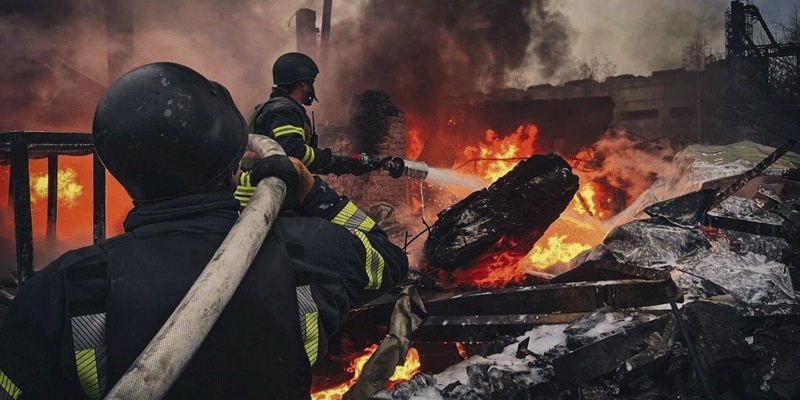
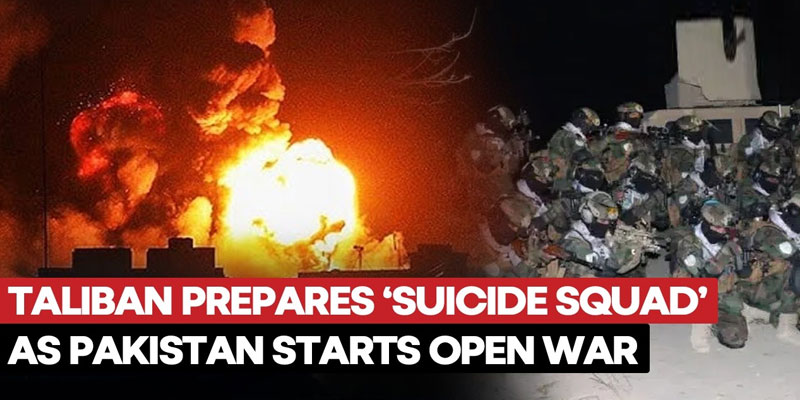
Islamabad launched coordinated air and ground assaults on February 26–27 under “Operation Ghazab Lil Haq,” striking sites in Kabul, Kandahar and Paktia. Pakistani officials released footage showing artillery fire, plumes of smoke over urban areas and damaged compounds allegedly used by Taliban fighters.
Pakistan claims 133 Taliban fighters were killed, over 200 wounded, 27 posts destroyed and nine militants captured. The strikes were framed as retaliation for cross-border attacks that reportedly killed two Pakistani soldiers. Defence Minister Khawaja Asif described the escalation as “open war,” accusing Kabul of sheltering Tehreek-e-Taliban Pakistan (TTP) militants responsible for deadly attacks inside Pakistan.
Taliban’s Retaliation and Asymmetric Signalling
The Taliban swiftly acknowledged the strikes. Spokesperson Zabihullah Mujahid confirmed attacks on multiple provinces, while deputy spokesman Hamdullah Fitrat announced “intensive offensive and retaliatory operations” in Paktia, Paktika and Khost.
State-run Bakhtar News Agency published images of a so-called “battalion of suicide attackers,” equipped with explosive vests and vehicle-borne bombs—an unmistakable signal of asymmetric escalation. Taliban sources counterclaimed 55 Pakistani troops killed and 19 border posts seized, while reporting civilian casualties in Nangarhar.
The exchange of competing narratives underscores a widening information war alongside battlefield operations.
Military Capabilities: Pakistan’s Conventional Edge
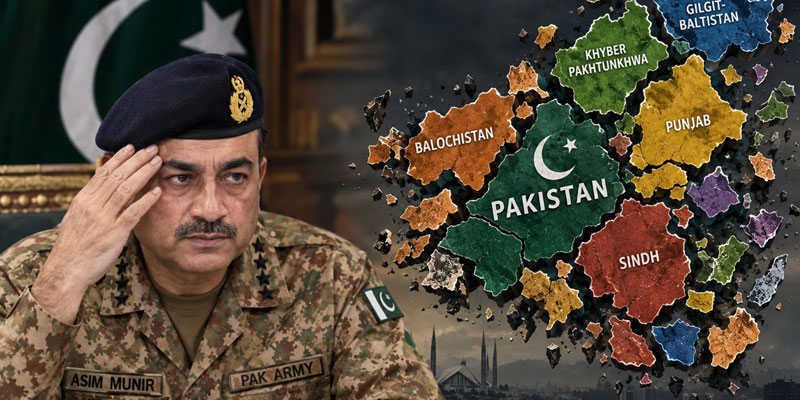
In conventional terms, Pakistan holds overwhelming superiority. Its armed forces comprise roughly 660,000 active personnel, including a large standing army and a modern air force equipped with more than 400 combat aircraft such as F-16s and JF-17s. Pakistan also fields thousands of tanks, extensive artillery systems and advanced drones, backed by established logistics networks and nuclear deterrence.
Air superiority is Islamabad’s decisive advantage. Precision strikes on Taliban positions highlight the ability to conduct deep incursions with minimal immediate risk to aircraft. Pakistan’s Special Services Group (SSG) further enhances its counterinsurgency and mountain warfare capabilities.
Taliban’s Strength: Guerrilla Warfare and Terrain Mastery
The Taliban, estimated to command over 170,000 fighters, lack a functional air force and rely largely on captured U.S. and Soviet-era equipment. Maintenance constraints and limited heavy artillery restrict their ability to sustain conventional battles.
However, their strength lies in asymmetric tactics. The group’s “Red Unit” and suicide squads specialise in ambushes, improvised explosive devices (IEDs) and high-risk assaults. Familiarity with rugged border terrain along the 2,600-kilometre Durand Line gives them tactical flexibility in protracted, low-intensity warfare.
Historically, insurgent resilience in mountainous regions has offset technological disadvantages, raising the prospect of a drawn-out conflict rather than a swift resolution.
Regional Fallout and Strategic Risks
The escalation threatens broader instability. Rising tensions over TTP sanctuaries, refugee expulsions and economic corridors such as CPEC increase the risk of spillover into neighbouring regions. Civilian casualties from urban strikes could further inflame anti-Pakistan sentiment within Afghanistan.
A Dangerous Crossroads
Pakistan’s conventional dominance gives it the upper hand in direct military engagements, but the Taliban’s guerrilla doctrine and ideological cohesion complicate any attempt at decisive victory. The current trajectory suggests neither side can secure a quick win without incurring significant costs.
Unless diplomatic channels reopen, the conflict risks settling into a prolonged and destabilising cycle of airstrikes and insurgent retaliation—deepening mistrust across the Durand Line and threatening fragile regional security.
(With agency inputs)