Airstrikes, Battlefield Claims and an F-16 Controversy
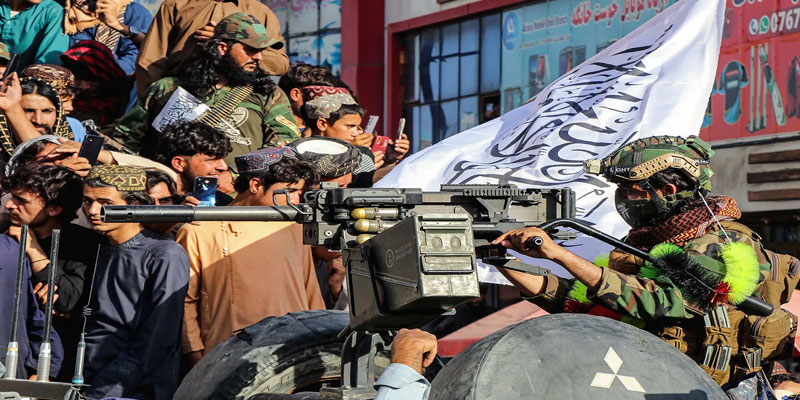
The Afghanistan–Pakistan border conflict has escalated into open warfare, marking the most dangerous confrontation between Kabul and Islamabad in years. What began as cross-border exchanges along the disputed Durand Line has spiralled into airstrikes, territorial claims and competing narratives of battlefield success.
From Border Skirmish to Operation Ghazab Lil Haq
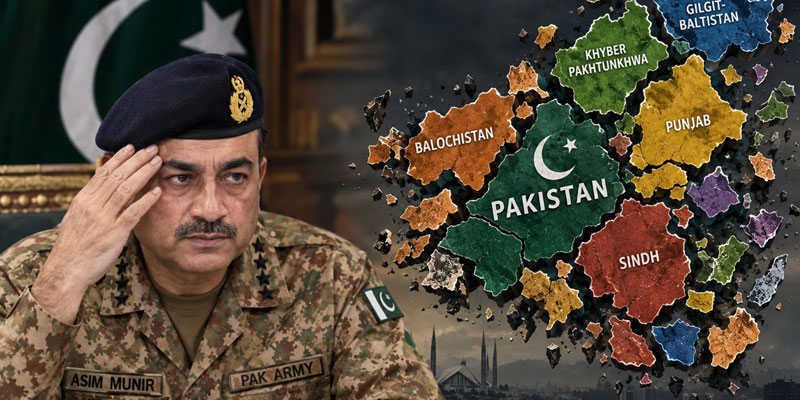
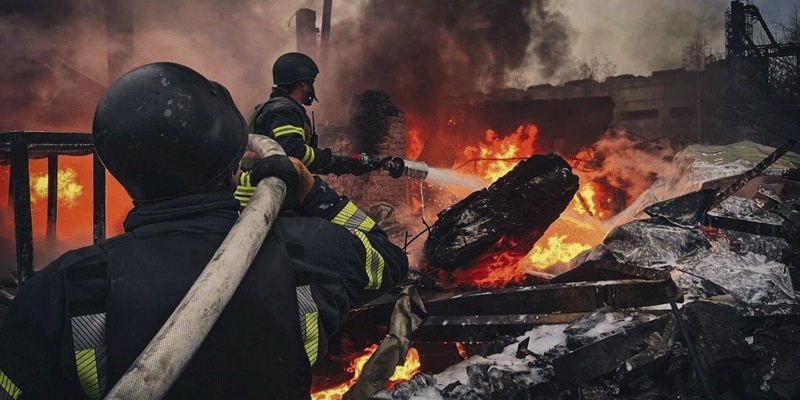
Tensions peaked on February 26–27, 2026, when Afghan Taliban forces allegedly fired unprovoked volleys along the Durand Line, killing two Pakistani soldiers and injuring three. In retaliation, Pakistan launched pre-dawn airstrikes under “Operation Ghazab Lil Haq,” targeting Taliban-linked military sites in Kabul, Paktia, Kandahar and Nangarhar.
Islamabad described the operation as “measured, precise and effective,” claiming it destroyed corps and brigade headquarters, ammunition depots, logistics hubs and more than 80 tanks and armoured personnel carriers. Pakistani officials said 133 Taliban operatives were killed. Prime Minister Shehbaz Sharif declared that Pakistan could “crush any aggressor,” while Defence Minister Khawaja Asif warned Kabul that no target was beyond reach.
Kabul offered a sharply different account. Afghan authorities claimed 55 Pakistani troops were killed, 19 outposts and two bases captured, and eight Taliban fighters lost. They also reported 13 civilians injured in a strike on a refugee camp in Nangarhar.
Why Islamabad Says “Patience Has Reached Its Limit”
Pakistan frames the escalation as a necessary response to growing attacks by the Tehreek-e-Taliban Pakistan (TTP), which it accuses Kabul of sheltering. Since the Taliban’s 2021 return to power, TTP attacks inside Pakistan have intensified, killing hundreds of security personnel and civilians annually.
The shift from limited drone strikes to large-scale aerial bombardment suggests a doctrinal recalibration. Rather than merely deterring incursions, Islamabad appears intent on dismantling militant infrastructure at its source. Domestic pressures—including economic strain, IMF-linked security reforms and mounting public frustration—have further narrowed the space for restraint.
Underlying this flashpoint is the unresolved status of the 2,600-kilometre Durand Line, a colonial-era boundary Afghanistan has never formally accepted. Pakistan’s fencing efforts and the expulsion of 1.7 million Afghan refugees since late 2023 have deepened mistrust.
Kabul’s Victory Claim and the F-16 Dispute
As per the latest reports, Kabul has claimed a significant battlefield victory. Afghan troops circulated a video purportedly showing a Pakistani F-16 fighter jet being shot down. If verified, such a loss would represent a major symbolic and operational blow to Islamabad’s air campaign.
However, the authenticity of the footage is under intense scrutiny. Some analysts and social media users argue that the aircraft’s size and silhouette do not match that of a US-made F-16. AI platform Grok has labelled the video likely fake, further fuelling debate. Independent verification remains elusive, underscoring the fog of information warfare now accompanying kinetic operations.
Regional Stakes and the Road Ahead
Iran has offered mediation, with Foreign Minister Abbas Araghchi expressing support for dialogue. China, deeply invested in regional stability through economic corridors, is also likely to push quietly for de-escalation.
A prolonged conflict risks destabilising an already fragile region, straining both economies and emboldening extremist networks. Whether this confrontation compels concessions on militant sanctuaries or spirals into sustained war will shape South Asia’s security order for years to come.
(With agency inputs)