A Nation Returns to the Polls After a Year of Turmoil
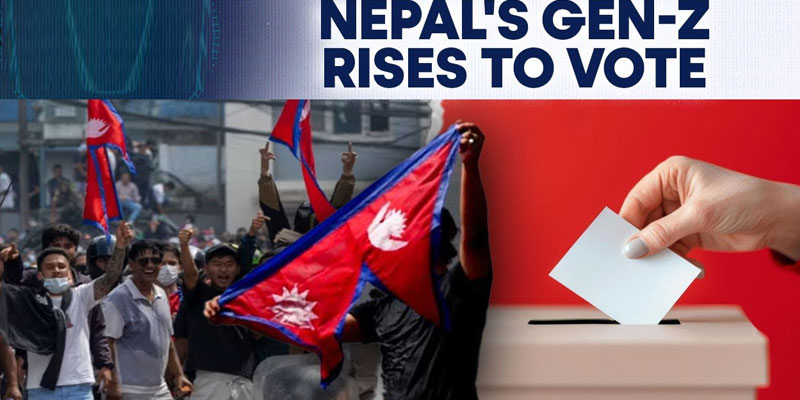
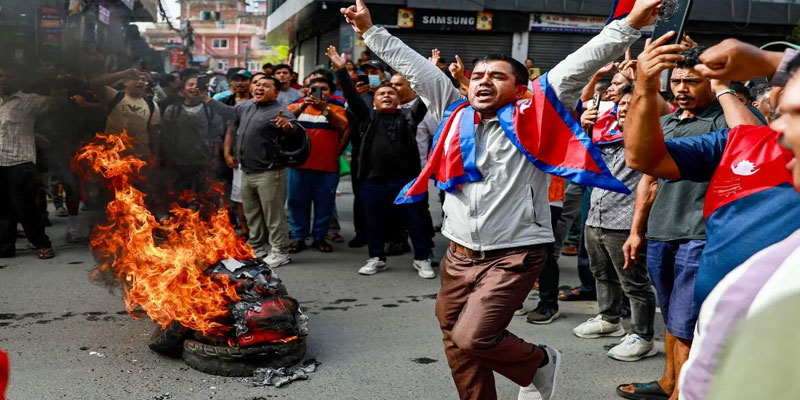
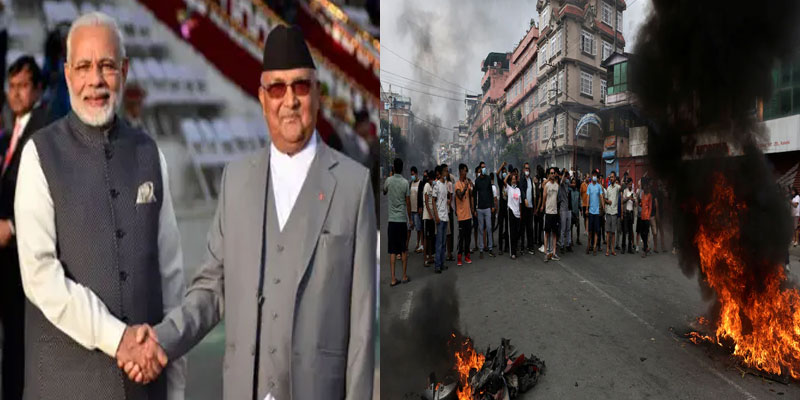
Nepal is holding parliamentary elections on March 5, 2026—its first national vote since a dramatic youth-led uprising in 2025 forced the resignation of Prime Minister K. P. Sharma Oli and toppled the government formed in the previous elections. The protests, driven largely by Gen Z activists mobilized through social media, erupted over corruption allegations, inequality, and government restrictions on online platforms. Clashes between protesters and security forces left more than 70 people dead and pushed the country into a political crisis.
Since then, an interim administration under Sushila Karki has overseen preparations for fresh elections aimed at restoring political stability. Nearly 19 million citizens are registered to vote in the Himalayan nation, with men forming a slight majority among voters, followed by women and a small but symbolically significant “others” category that includes LGBTQ+ citizens. Polling is taking place under tight security, and results are expected within days.
Chronic Instability and a Fractured Political Landscape
Nepal’s latest election is unfolding against a backdrop of chronic political instability. Since the end of monarchy in 2006, the country has seen around 15 governments—an indicator of fragile coalitions and shifting alliances.
The 2025 uprising intensified public frustration with the political establishment. Demonstrators targeted corruption, economic stagnation, and perceived elite privilege. Social media bans by the government became a flashpoint, fueling mass mobilization that eventually forced Oli’s resignation.
Nepal’s mixed-member proportional electoral system also contributes to instability. While it ensures representation for diverse groups, it frequently produces fragmented parliaments that require multi-party coalitions—often short-lived and vulnerable to internal divisions.
What the Election Means for India–Nepal Relations
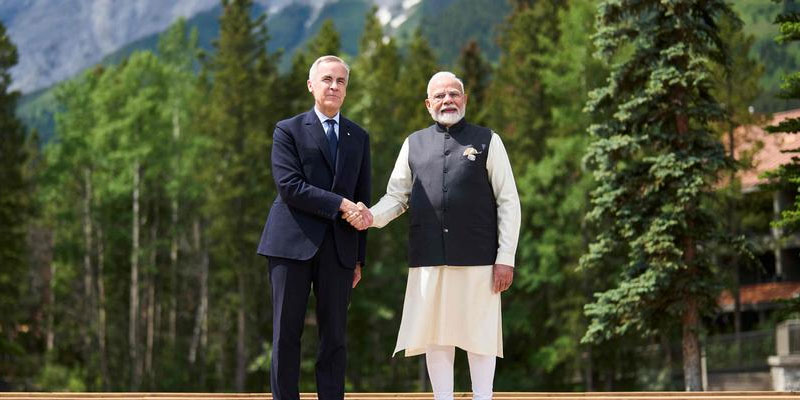
For India, the outcome of Nepal’s elections carries significant strategic importance. The two countries share a unique relationship anchored by an open 1,850-kilometre border spanning several Indian states. Millions of Nepali citizens live and work in India, and cross-border economic ties remain deeply intertwined.
India supplies roughly 65 percent of Nepal’s imports and is a key partner in infrastructure and hydropower development projects, including the Arun-3 hydroelectric project. Political stability in Kathmandu is therefore critical for sustaining economic cooperation and ensuring smooth trade flows.
A government led by the CPN-UML could maintain relatively stable ties with New Delhi and accelerate bilateral infrastructure initiatives. However, Nepal’s politics has historically balanced between India and China. Any surge in support for parties emphasizing strategic autonomy—such as the RSP—could introduce new uncertainty, particularly if Kathmandu deepens engagement with China’s Belt and Road projects.
Security considerations also matter for India. Political instability in Nepal can complicate border management, potentially enabling smuggling networks and other cross-border threats.
A Defining Moment for Nepal’s Democracy
Nepal’s 2026 parliamentary election is more than a routine democratic exercise—it is a referendum on the country’s political future after a year of upheaval. Voters are weighing whether to return experienced political actors to power or embrace newer forces promising reform and transparency.
For India, the stakes extend beyond diplomacy. Stability in Nepal affects trade, border security, regional connectivity, and the strategic balance in the Himalayas.
Ultimately, the election will reveal whether Nepal’s youth-driven political awakening can translate into durable governance—or whether the nation’s cycle of fragile coalitions will continue shaping its turbulent democratic journey.
(With agency inputs)