Government Rejects Reports of Stalled Bilateral Trade Negotiations
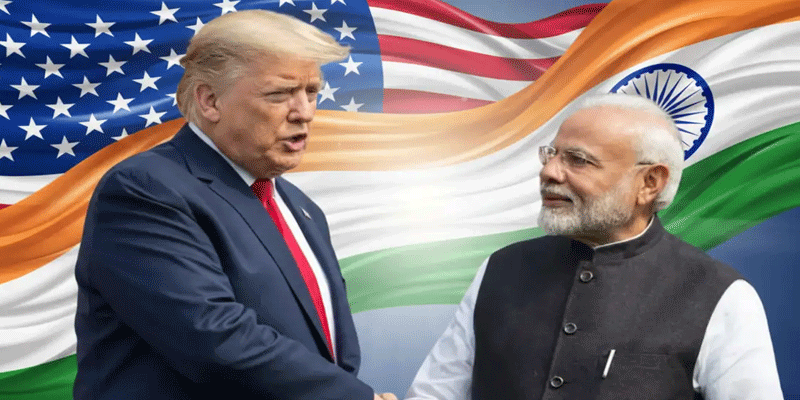
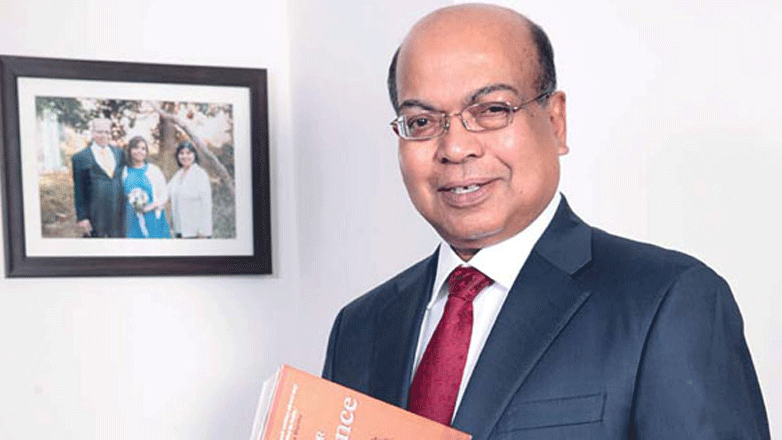
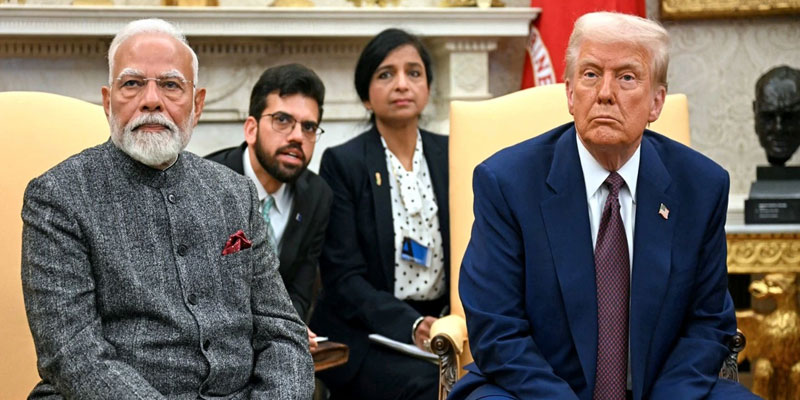
The proposed India-US Bilateral Trade Agreement (BTA) remains firmly on the negotiating table despite reports suggesting that discussions had reached a deadlock. Union Commerce and Industry Minister Piyush Goyal has categorically dismissed claims that India was delaying negotiations or holding out for a better deal, asserting that both countries remain committed to concluding a balanced and commercially meaningful agreement. His remarks come amid heightened interest in the trade talks, which are expected to shape the future of economic cooperation between the world's largest and fifth-largest economies.
A Long-Running Push for a Trade Pact
India and the United States have been engaged in negotiations for an interim bilateral trade arrangement for several months. The discussions have progressed through multiple rounds of ministerial meetings and official-level consultations aimed at resolving longstanding trade issues while laying the foundation for a broader economic partnership.
In June, reports indicated that substantial progress had been achieved following talks between Commerce Minister Piyush Goyal and U.S. Trade Representative Jamieson Greer. Both governments acknowledged that negotiations were moving toward an interim agreement intended to strengthen bilateral trade, improve market access, and deepen strategic economic cooperation.
Against this backdrop, media reports suggesting a slowdown or deadlock created uncertainty over the status of the negotiations.
What Piyush Goyal Said
Rejecting speculation about stalled talks, Goyal clarified that India was neither delaying the negotiations nor seeking tactical advantages through prolonged discussions. Instead, he emphasized that both sides continue to work towards an agreement that serves the commercial interests of both countries while remaining balanced and mutually beneficial.
Commerce Secretary Rajesh Agrawal reinforced this position, stating that there were no significant obstacles in the negotiations and that consultations were progressing within the agreed framework. He pointed out that the Indian negotiating team had visited the United States in May, followed by a U.S. delegation travelling to New Delhi in June, demonstrating sustained engagement rather than a breakdown in dialogue.
Together, these statements sought to reassure businesses and investors that the negotiations remain active despite conflicting media narratives.
Why the Negotiations Are Sensitive
The proposed agreement carries considerable political and economic significance for both countries. India seeks greater access for its exports while protecting sectors considered strategically important, including agriculture and certain manufacturing industries. At the same time, the United States has been pressing for wider market access, lower trade barriers, and regulatory reforms benefiting American businesses.
These competing priorities naturally make negotiations complex. Governments on both sides must balance domestic political expectations with the need to achieve meaningful economic gains. Consequently, public messaging often reflects firmness on core interests even as negotiators continue working towards compromises behind closed doors.
Analysts therefore view the current situation not as a genuine deadlock but as a typical phase in high-stakes trade diplomacy, where disagreements are managed while negotiations continue.
A Deal Shaped by Balance, Not Speed
The latest exchange highlights the realities of modern trade negotiations, where public statements and ongoing discussions often move on parallel tracks. By rejecting reports of a deadlock, the Indian government has reaffirmed its commitment to securing an agreement that safeguards national interests while expanding economic opportunities with the United States. If successfully concluded, the proposed bilateral trade agreement could extend far beyond tariff reductions, strengthening supply chains, boosting investment, and reinforcing the strategic partnership between the two countries. For now, the emphasis remains on patient, structured negotiations rather than a hurried political announcement.
(With agency inputs)