A fresh diplomatic controversy has erupted between the United States and Italy after U.S. President Donald Trump claimed that Italian Prime Minister Giorgia Meloni had “begged” him for a photograph during the recent G7 summit. Meloni responded sharply, dismissing the account as “totally invented” and “completely fabricated.” What began as a seemingly minor dispute over a summit interaction has rapidly escalated into a significant diplomatic disagreement, exposing deeper tensions between two leaders once viewed as close ideological allies.
Allies Bound by Ideology
Trump and Meloni have long been perceived as natural political partners. Both leaders emerged from conservative and nationalist political traditions and often shared common positions on issues such as migration, national sovereignty and economic protectionism.
However, their relationship has faced growing strain in recent months, particularly over developments in the Middle East. Italy increasingly distanced itself from Washington’s approach to the Iran conflict and the broader regional crisis, creating friction between Rome and the White House. Despite these differences, the G7 summit in Evian, France, appeared to offer an opportunity for reconciliation. Public interactions between the two leaders suggested a thaw, with Meloni describing the atmosphere as positive and insisting that there was “no friction” between them.
The Controversial Claim
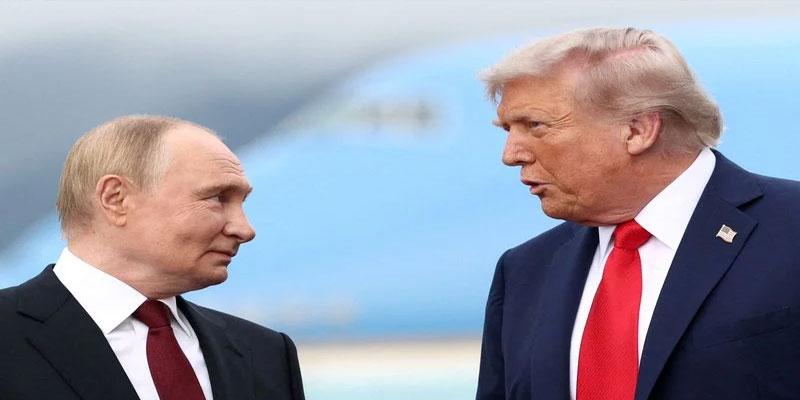
The controversy erupted after Trump, in an interview with Italian broadcaster La7, alleged that Meloni had pleaded with him for a photograph at the G7 summit. According to reports, Trump suggested that he agreed to the photograph only because he felt sympathy for her and implied that she was fortunate he had taken the time to speak with her.
The remarks quickly attracted attention across Europe and the United States, not only because of their personal nature but also because they appeared to diminish the standing of a leader of a major NATO ally. The comments transformed what had appeared to be a successful diplomatic encounter into a public relations crisis.
Meloni’s Forceful Response
Meloni reacted swiftly and unequivocally. In a video message posted on social media, she categorically denied Trump’s version of events, stating that neither she nor Italy would ever “beg” anyone for a photograph.
Her response went beyond rejecting the claim. Meloni questioned why Trump would choose to publicly target an ally and suggested that he often showed greater restraint toward countries and leaders that challenge Western interests. Such criticism elevated the dispute from a personal disagreement to a broader debate over leadership, alliances and diplomatic conduct.
Current Diplomatic Fallout
The consequences were immediate. Italian Foreign Minister Antonio Tajani cancelled a planned visit to Washington, describing Trump’s comments as offensive and inappropriate. A scheduled U.S.-Italy business conference was also called off, signalling dissatisfaction within the Italian government.
The episode has overshadowed the apparent reconciliation seen at the G7 summit and revived concerns about the stability of U.S.-Italy relations. It also raises questions about future cooperation on NATO priorities, trade discussions and Middle East policy coordination.
Beyond a Personal Dispute
What began as a disagreement over a summit photograph has evolved into a broader diplomatic test between two important Western allies. The controversy highlights how personal remarks can quickly influence international relationships in an era of instant communication and heightened political sensitivity. More importantly, it underscores the fragility of alliances when strategic differences intersect with public rhetoric. Whether Washington and Rome can move beyond this episode will depend on their ability to prioritize shared interests over personal and political disputes.
(With agency inputs)