A Controversial Speech in New Delhi
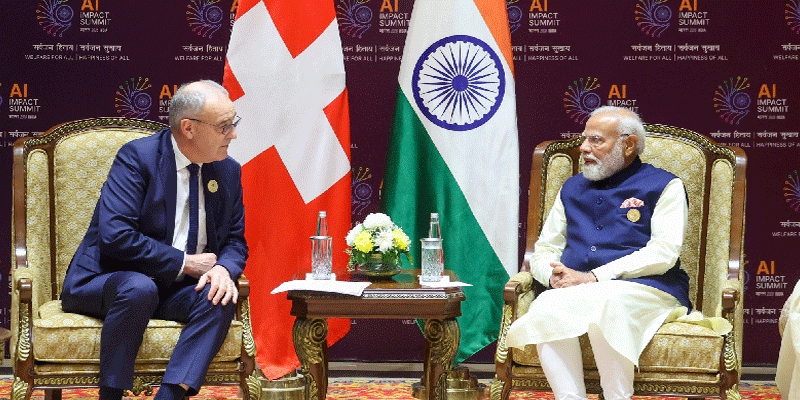
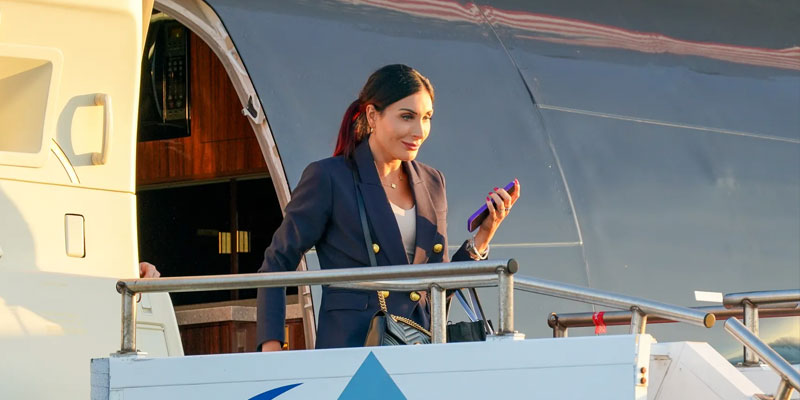
At a high-profile appearance during the India Today Conclave in New Delhi on March 13, 2026, American political activist Laura Loomer delivered a sharp critique of Pakistan while strongly praising India, Prime Minister Narendra Modi, and the Indian people.
Loomer asserted that Islamic terrorism represented the “biggest fight ahead” for both the United States and India, calling it a “mutual enemy” that requires stronger cooperation between the two democracies. Her remarks, which branded Pakistan as a hub for extremist networks, sparked debate among analysts and policymakers about the evolving geopolitical alignment between Washington and New Delhi.
Loomer’s Allegations Against Pakistan
During her speech, Loomer argued that Pakistan has historically served as a breeding ground for extremist groups. She pointed to several major attacks that have shaped global counter-terrorism narratives, including the 2008 Mumbai attacks and the 2019 Pulwama attack, both of which were attributed to Pakistan-based militant groups.
She also referenced the discovery of Osama bin Laden in Abbottabad in 2011 as an example frequently cited by critics of Pakistan’s security establishment. According to Loomer, such incidents illustrate why Washington should remain cautious about improving diplomatic relations with Islamabad.
Her comments also mentioned allegations involving militant networks connected to organizations like Lashkar-e-Taiba and Jaish-e-Mohammed—groups designated as terrorist organizations by the United Nations and several Western governments.
Who Is Laura Loomer?
Born in 1993 in Arizona, Laura Loomer rose to prominence in American conservative politics as a vocal supporter of US President Donald Trump. Known for her provocative commentary and hardline views on national security and immigration, Loomer has often described herself as an outspoken critic of Islamist extremism.
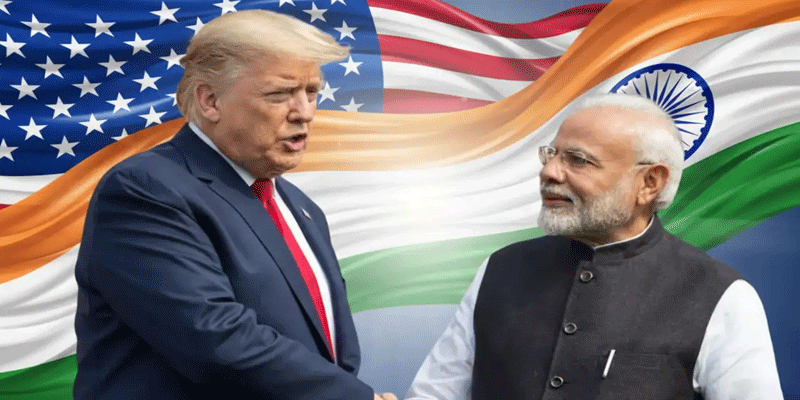
Her close association with Trump-era political networks has amplified her visibility in conservative circles. At the conclave, she reiterated a message she said aligns with Trump’s stance: admiration for India’s leadership and its strategic partnership with the United States.
A Call for a Strategic Alliance
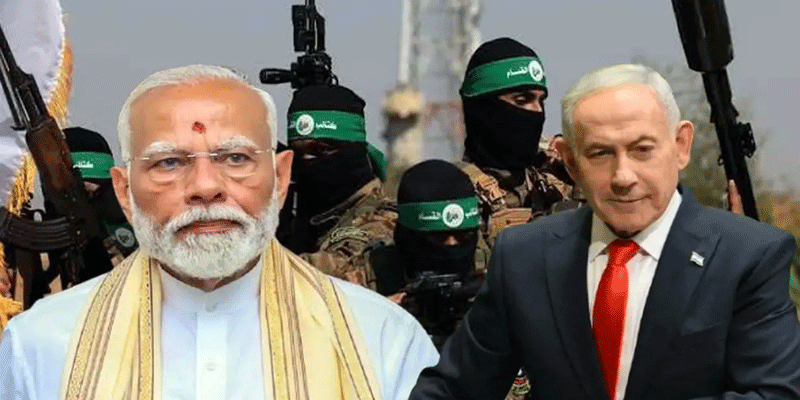
Loomer’s remarks also included a call for closer cooperation among the United States, India, and Israel in combating what she described as global jihadist threats. She argued that stronger coordination between leaders like Modi, Trump, and Israeli Prime Minister Benjamin Netanyahu could form a powerful alliance against extremist networks.
Supporters of this view argue that all three countries have faced security challenges linked to militant groups and therefore share common interests in intelligence sharing, defense cooperation, and counter-terrorism strategies.
Strategic and Political Context
Loomer’s comments come at a time of heightened geopolitical tension, with conflicts in the Middle East and shifting alliances influencing global security debates. Pakistan, for its part, has consistently rejected accusations of supporting terrorism and points to its own counter-terror operations against militant groups over the past decade.
International bodies such as the Financial Action Task Force have also monitored Pakistan’s efforts to combat terror financing, reflecting the complex international scrutiny surrounding the issue.
Debate Over Security and Diplomacy
Laura Loomer’s remarks in New Delhi illustrate how terrorism and geopolitical rivalry continue to shape international political discourse. While her criticism of Pakistan resonated with some audiences in India and among certain Western conservatives, others argue that such rhetoric risks deepening diplomatic tensions in an already fragile region.
Ultimately, the debate underscores a larger reality: counter-terrorism remains a central concern for many nations, but achieving long-term stability requires balancing security priorities with careful diplomacy. As global alliances evolve, how countries address these challenges will play a crucial role in shaping future international relations.
(With agency inputs)