A Diplomatic Opening Amid War Fears
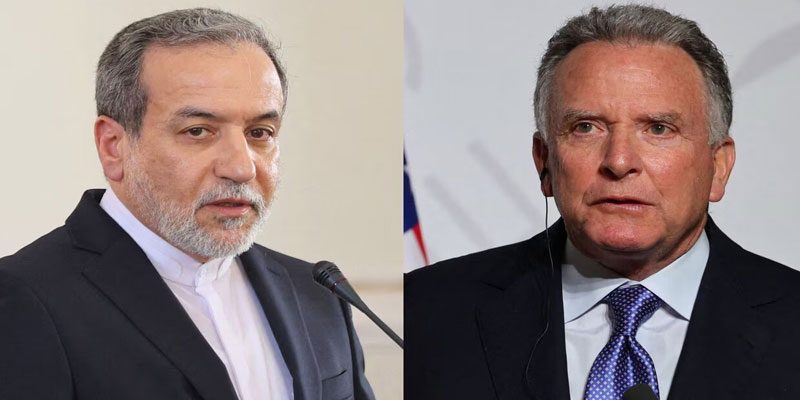
The United States and Iran are set to resume high-stakes nuclear negotiations in Geneva, with the latest round unfolding against a backdrop of rising military deployments and warnings of escalation. The indirect talks, mediated by Oman, mark the second engagement in February 2026 and come as tensions remain elevated after last year’s airstrikes on Iranian nuclear facilities. With both sides signalling willingness to negotiate but preparing for confrontation, the Geneva meeting represents a fragile diplomatic window at a moment when the threat of wider conflict looms.
Diplomacy Under Maximum Pressure
The negotiations reflect a familiar pattern in US–Iran relations—intense diplomatic engagement coupled with coercive pressure. President Donald Trump has indicated that Washington seeks a comprehensive agreement limiting Iran’s nuclear programme and missile capabilities, while Tehran insists on sanctions relief and recognition of its civilian nuclear rights. The stakes extend beyond bilateral tensions: energy markets, regional security, and global non-proliferation norms all hinge on the outcome of these talks.
Iran enters negotiations weakened by economic strain, domestic unrest, and damage to key nuclear sites. Yet it retains significant leverage through its nuclear stockpile and regional influence. For Washington, the talks offer a chance to secure a diplomatic breakthrough while maintaining the credibility of its “maximum pressure” strategy.
Trump’s Military Build-up in the Gulf
Ahead of the Geneva talks, the Trump administration has ordered a significant military build-up across the Gulf and surrounding waters. The deployment includes a carrier strike group led by the USS Abraham Lincoln, accompanied by guided-missile destroyers and submarines equipped with long-range cruise missiles. A second carrier, the USS Gerald R. Ford, is en route, signalling readiness for sustained operations if negotiations collapse.
Air assets have also been reinforced at the Al Udeid Air Base, where additional fighter squadrons, aerial refuelling aircraft, and missile defence systems have been positioned. These moves aim to deter Iranian escalation and underscore Washington’s willingness to use force. US Central Command has reportedly prepared contingency plans for strikes on nuclear and military targets should diplomacy fail.
The military posture serves multiple purposes: strengthening the US negotiating position, reassuring regional allies, and signalling resolve to Tehran. However, it also increases the risk of miscalculation, particularly in the Strait of Hormuz, through which a significant share of global oil supplies passes.
Iran’s Calculations and Negotiating Position
Iran’s leadership faces mounting pressure at home and abroad. The damage to nuclear infrastructure, combined with ongoing sanctions, has intensified economic challenges. Tehran has signalled openness to enhanced monitoring by the International Atomic Energy Agency in exchange for sanctions relief but continues to reject demands for zero uranium enrichment. The government must balance domestic hardline expectations with the economic necessity of easing sanctions.
A Narrow Path Between Deal and Escalation
The Geneva talks highlight the precarious balance between diplomacy and deterrence in US–Iran relations. While both sides have incentives to avoid open conflict, their core demands remain far apart. The US military build-up strengthens Washington’s leverage but raises the stakes of failure. For Iran, economic pressures encourage engagement, yet political constraints limit concessions. A breakthrough remains uncertain, but sustained dialogue is essential to prevent escalation. The coming weeks will determine whether Geneva becomes a turning point toward de-escalation—or another step toward a dangerous confrontation in the Gulf.
(With agency inputs)