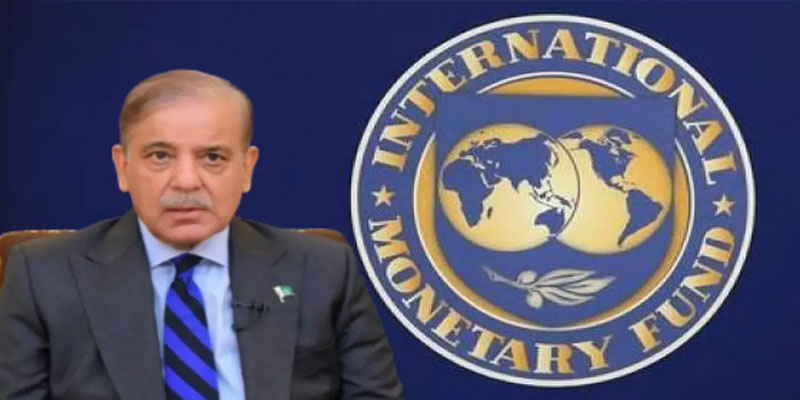
For the latest $7-billion bailout programme, the IMF has imposed 11 additional conditions on cash-strapped Pakistan—tougher governance, anti-corruption and structural reform mandates that reflect the Fund’s growing impatience with recurring policy slippages. This marks one of Pakistan’s most stringent reform regimes to date.
A Bailout Wrapped in Tough Love
Pakistan’s reform load has now swelled to 64 conditions in just 18 months, one of the densest clusters under any active IMF programme. These include prior actions, performance criteria and structural benchmarks tied to each tranche. While the facility has already disbursed $3.3 billion and helped Pakistan narrowly avoid sovereign default, the new conditions make clear that the Fund is no longer willing to rely on promises alone.
Repeated backtracking on taxation, energy pricing, and state-owned enterprise reforms has eroded trust. This time, IMF shareholders—particularly Western capitals—are demanding not only economic stabilisation but institutional cleaning.
What the New IMF Conditions Mean for Pakistan
1. Governance and Anti-Corruption at the Core
The 11 added conditions are rooted in the IMF’s Governance and Corruption Diagnostic Assessment, which points to systemic weaknesses across state institutions. Key requirements include:
· A comprehensive corruption-mitigation plan for 10 high-risk departments by 2026.
· Deep restructuring of the Federal Board of Revenue, with a stronger push into direct taxation and removal of exemptions.
· Faster cuts to the power sector’s circular debt through cost-reflective tariffs and tighter loss-reduction targets.
· A new review of remittance-related costs to address rising charges for overseas Pakistanis.
These reforms signal a decisive shift: macro targets alone are no longer enough—the Fund wants Pakistan to tackle institutional decay that undermines growth and fiscal credibility.
2. How These Conditions Will Impact Pakistan’s Economy
Short-Term: Stabilisation Through Austerity
The programme has helped Pakistan restore some macro balance. Foreign reserves are steadier, fiscal discipline has tightened, and inflation is projected to moderate before rising again in FY26. However, stabilisation comes with clear costs:
· Higher energy tariffs and subsidy cuts are burdening households and small industries.
· Tight monetary policy and elevated borrowing costs suppress domestic demand.
· Weak social safety nets mean vulnerable groups feel the adjustment before relief reaches them.
Economic pain in the near term is unavoidable as revenues are raised and distortions are corrected.
Medium-Term: Reform-Driven Growth Potential
If governance and tax reforms are executed credibly, Pakistan could unlock significant growth potential—possibly pushing GDP growth toward 6%+. Broadening the tax base, reducing circular debt, and overhauling loss-making SOEs would free fiscally space for public investment, climate resilience and productivity-enhancing sectors.
Improved governance could also attract foreign and domestic investment by reducing policy uncertainty and corruption-related costs.
Long-Term: A Chance to Break the Bailout Cycle
Pakistan has turned to the IMF repeatedly for decades, often every 2–3 years. The current programme offers a rare structural window:
· If reforms stick, Pakistan could gradually exit its high-inflation, low-investment trap and move toward sustainable financing.
· If they falter, the country risks falling back into the familiar cycle of crises, currency stress, and emergency bailouts.
The IMF’s tough stance indicates this may be the Fund’s last attempt at inducing deep, durable change.
Pain Now, Possibility Later
Pakistan’s latest IMF programme is more than a financial rescue—it is an institutional audit of the state itself. The 11 new conditions reflect the Fund’s belief that without confronting corruption, elite capture and weak fiscal administration, macro stability will remain fleeting.
The economic road ahead will be difficult, marked by tariff hikes, reduced subsidies and contested reforms. But if Islamabad leverages this pressure to rebuild governance, strengthen revenues and break with its bailout-dependent past, the programme could mark a turning point rather than another temporary reprieve.
(With agency inputs)