Strengthening an Enduring Himalayan Bond
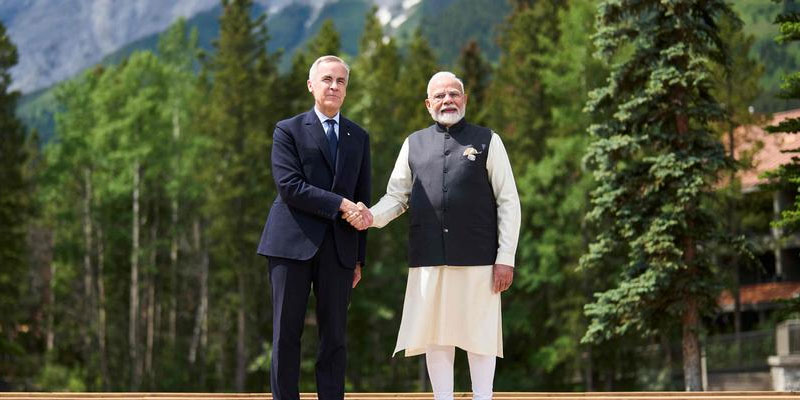
Prime Minister Narendra Modi’s recent visit to Bhutan reaffirmed one of South Asia’s closest and most time-tested partnerships. Over the decades, India and Bhutan have built a relationship grounded in history, mutual respect, and shared aspirations for peace and prosperity.
This latest visit was not merely symbolic—it showcased India’s strategic intent and economic commitment to its Himalayan neighbor at a time of shifting regional dynamics. Modi’s announcement of a $455 million line of credit and the inauguration of a new hydroelectric project underline New Delhi’s twin objectives: deepening economic ties and reinforcing regional stability amid China’s growing engagement with Bhutan.
A Partnership Rooted in Trust and Shared Growth
India and Bhutan’s friendship is anchored in the 1949 Treaty of Friendship, revised in 2007, which ensures cooperation while respecting each nation’s sovereignty. India remains Bhutan’s largest development partner, assisting in education, health, trade, and infrastructure. Their open border and cultural kinship further strengthen a bond often described as one of trust and interdependence rather than power politics.
For Bhutan, India’s continued support has been crucial in sustaining economic growth, particularly through hydropower cooperation, which serves as the backbone of Bhutan’s economy. Electricity exports to India generate vital revenue for Bhutan while helping India advance its clean energy transition.
Key Takeaways from Modi’s Visit: Energy and Economic Diplomacy
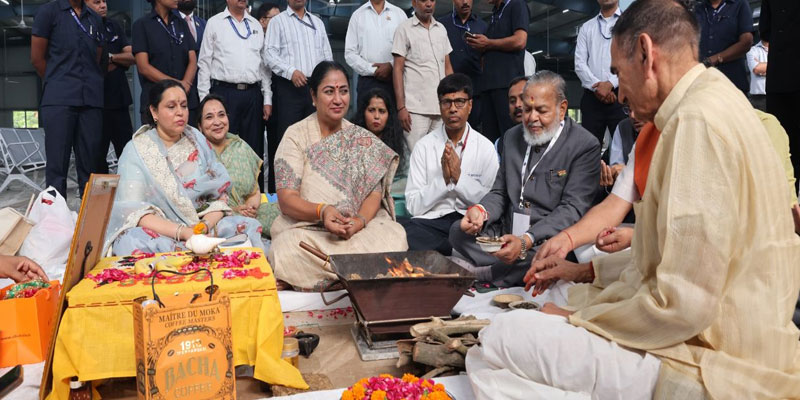
During his visit, PM Modi and Bhutanese leaders inaugurated a new hydroelectric power project, expanding a partnership that already includes multiple operational dams powering both economies. The project enhances Bhutan’s ability to export electricity to India and positions both nations as regional leaders in renewable energy cooperation.
The announcement of a $455 million (₹40 billion) line of credit marked another major highlight. This funding aims to boost energy, infrastructure, digital connectivity, and small-scale industries—critical for Bhutan’s post-pandemic recovery and long-term development.
India’s support is not limited to financial aid; it represents a strategic reassurance that New Delhi remains committed to Bhutan’s progress and sovereignty. Modi emphasized that India’s partnership is built on “mutual benefit and mutual trust,” a pointed contrast to external players seeking influence through transactional means.
Strategic Balancing Amid China’s Expanding Footprint
Beyond development, the visit carries geopolitical significance. Bhutan occupies a sensitive position between India and China, both vying for influence in the Himalayan region. Beijing has stepped up its outreach through border talks, infrastructure proposals, and diplomatic overtures, seeking to normalize relations with Thimphu.
India’s expanded cooperation is therefore not just about aid—it is a strategic investment in regional security. By strengthening Bhutan’s economy and institutions, India helps ensure that the kingdom remains a stable buffer in the Himalayas, resistant to undue external pressure.
For Bhutan, the approach is one of careful balancing—welcoming development opportunities while safeguarding its sovereignty and traditional friendship with India. The hydropower and credit line initiatives give Bhutan tangible leverage to chart an independent and confident foreign policy path.
Broader Regional Implications: A Model for Cooperative Growth
Modi’s visit also sends a broader message across South Asia: that India’s partnerships with smaller neighbors can thrive on respect, sustainability, and shared prosperity. The India-Bhutan energy model exemplifies how cooperation rooted in clean energy, technology, and people-centric growth can strengthen regional resilience against climate change and economic uncertainty.
Moreover, these initiatives bolster India’s soft power—projecting it not merely as a security partner but as a dependable development ally committed to inclusive progress in the Himalayan belt.
A Renewed Vision for Friendship and Future
Prime Minister Modi’s Bhutan visit has reaffirmed a timeless partnership while charting a forward-looking agenda for energy, economy, and regional balance. The new hydro project and credit line symbolize a commitment that goes beyond diplomacy—they embody India’s role as a steadfast partner in Bhutan’s journey toward sustainable growth.
As China’s shadow looms over the Himalayas, India’s proactive engagement with Bhutan stands out as a blend of strategic prudence and genuine partnership. Together, the two nations continue to demonstrate how trust, cooperation, and shared development can illuminate the path toward a peaceful and prosperous South Asia.
(With agency inputs)