Trump Signals Pressure and Diplomacy in Iran Standoff
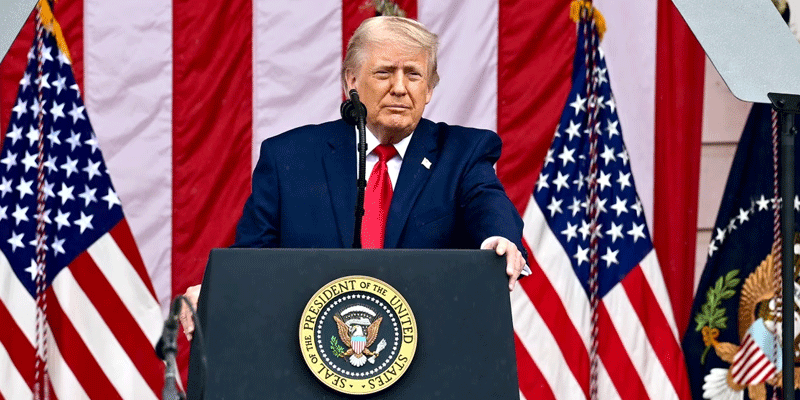
US President Donald Trump has said the United States will “win” its war with Iran soon while warning that fresh strikes remain possible before the November midterm elections. At the same time, he has suggested that an end to hostilities could push global oil prices sharply lower, underscoring how military decisions around Iran are now closely linked to energy markets and wider economic stability.
Trump Keeps Military Option Open
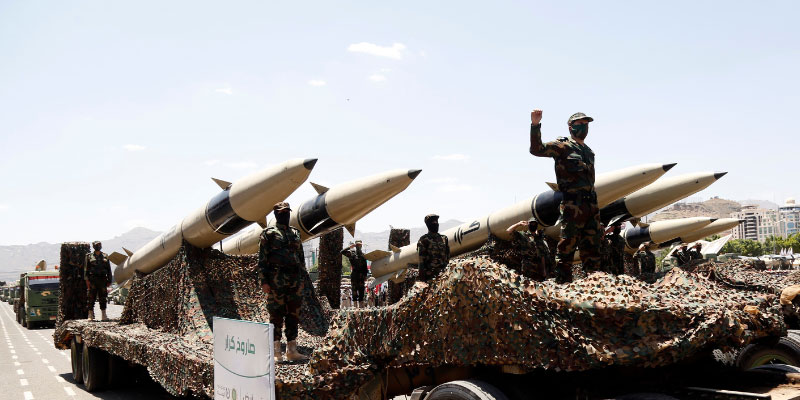
Trump’s latest comments come amid a prolonged confrontation that has repeatedly shifted between military escalation and diplomatic contacts. Washington continues to insist that Iran must not acquire a nuclear weapon, while Tehran maintains that it will resist military pressure and remains prepared for negotiations under conditions it considers acceptable.
Trump’s warning that new strikes could take place before the US midterms adds uncertainty to the immediate outlook. Iranian Foreign Minister Abbas Araghchi, meanwhile, has said Tehran is prepared for renewed US military action while keeping the door open to diplomacy.
Why Iran’s Seven-Day Proposal Failed
A major diplomatic opening emerged when Iran proposed a seven-day roadmap linked to reopening the Strait of Hormuz and resuming nuclear negotiations.
Under the proposal, Iran offered to:
· Begin reopening Hormuz after initial steps were completed.
· Resume negotiations on its nuclear programme.
· Participate in a wider regional ceasefire framework.
· Seek relief from US economic and military pressure.
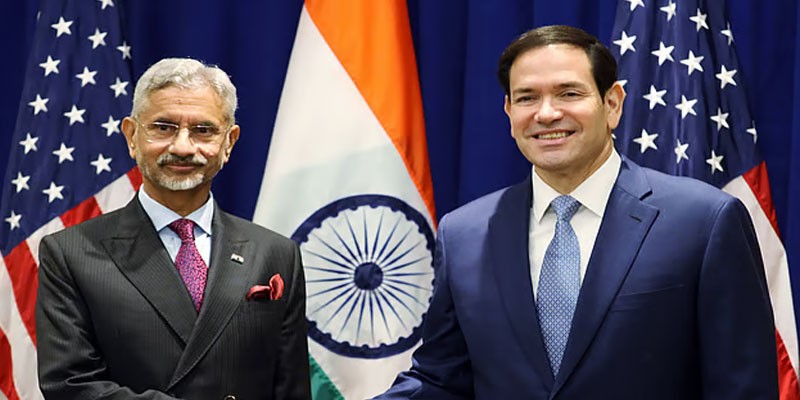
Washington rejected the offer. US Ambassador to the UN Mike Waltz said Tehran was seeking sanctions relief and access to frozen Iranian assets before substantive negotiations, which Washington considered unacceptable.
Hormuz Remains the Economic Pressure Point
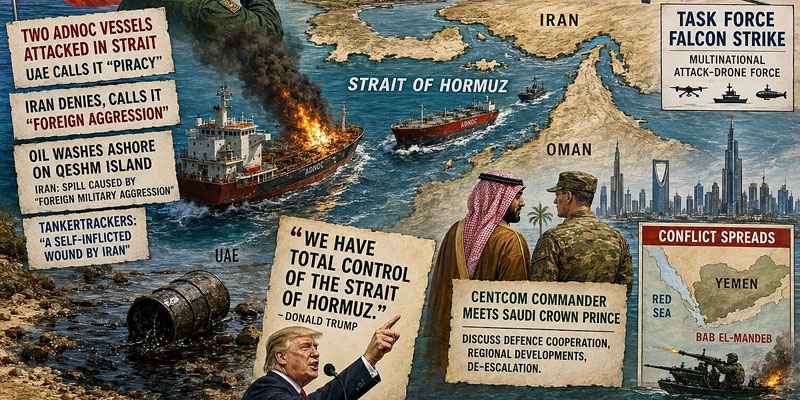
The Strait of Hormuz has become the central economic battleground of the confrontation. Disruption there threatens oil supplies, shipping, insurance costs and inflation well beyond the Middle East.
Recent shipping data illustrates the scale of the disruption. Reuters reported that only two commodity vessels crossed the strait on one recent day, compared with a pre-conflict average of about 125 large commercial vessels daily. The data may undercount vessels whose tracking systems are switched off.
This explains why any credible signal of reopening can move oil markets rapidly, while renewed threats of military action can push prices higher.
The Drone Dispute Adds Another Flashpoint
Iran’s Islamic Revolutionary Guard Corps has also claimed to have seized a US underwater drone in the Strait of Hormuz, with Iranian statements referring to a REMUS 600 and subsequently another underwater vehicle.
The US military has rejected the claims. US Central Command said it retained positive control of its operational drone assets and described the Iranian assertion as “clearly desperate”. The competing accounts have not been independently verified, making the episode another example of how information warfare accompanies the military confrontation.
The Next Phase Will Test Both Sides
The emerging picture is one of simultaneous pressure and diplomacy. Washington wants to constrain Iran’s nuclear ambitions and restore freedom of navigation, while Tehran has used Hormuz and the prospect of negotiations as bargaining leverage.
Trump’s confidence about a quick victory contrast with the unresolved nuclear dispute, restricted shipping and continuing military threats. Analysts therefore face a situation in which a diplomatic breakthrough remains possible, but another escalation could quickly reverse it.
For global markets, the decisive factor may be whether diplomacy can restore reliable energy flows. For both Washington and Tehran, the challenge is turning military leverage into a settlement without allowing the confrontation to develop into an open-ended regional war.
(With agency inputs)