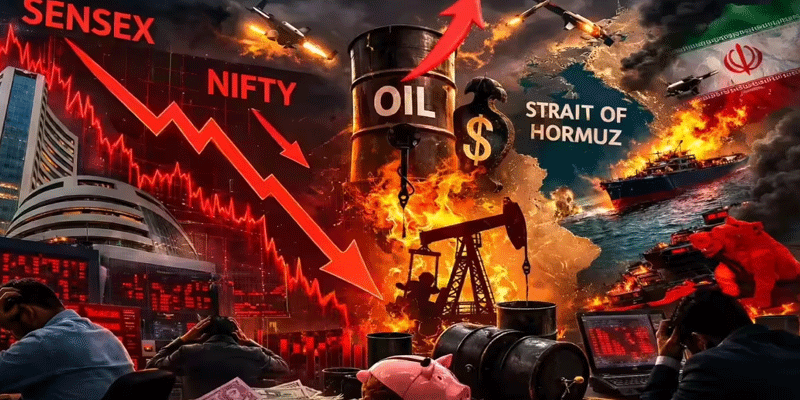
Sensex Soars as Oil Prices Trigger Massive Rally
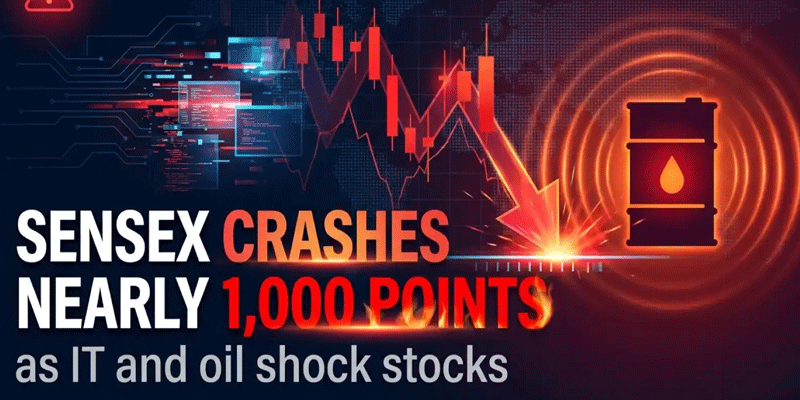
Indian equity markets witnessed a powerful rally on Friday as the BSE Sensex surged nearly 1,600 points intraday, reclaiming the crucial 75,000 mark, while the NSE Nifty50 crossed 23,500 amid improving global sentiment and easing geopolitical tensions. The sharp rise was largely driven by falling crude oil prices after US President Donald Trump indicated that Washington was close to reaching a settlement with Iran, calming fears of a wider West Asian conflict.
Markets Rebound Strongly
The Sensex climbed more than 1.6 per cent to trade above 75,000, while the Nifty50 gained over 350 points during the session. The rally extended gains seen earlier in the week and reflected renewed investor confidence after days of volatility linked to geopolitical uncertainty and rising oil prices.
The biggest catalyst behind the surge was Brent crude slipping below the psychologically important $90-per-barrel level. Since India imports a significant portion of its crude oil requirements, lower oil prices are generally seen as positive for the domestic economy.
The easing in crude prices immediately boosted sectors sensitive to fuel costs, particularly oil marketing companies, automobile firms and transport-linked businesses.
Why Falling Oil Prices Matter for India
India remains one of the world’s largest crude oil importers, making global energy prices a critical factor for inflation, fiscal stability and currency strength. Rising crude prices typically increase India’s import bill, weaken the rupee and fuel inflationary pressure.
The recent decline in oil prices therefore provided substantial relief to investors worried about the economic fallout of prolonged tensions involving Iran and the United States.
Lower crude prices are expected to reduce pressure on government finances and ease concerns about inflation, potentially giving the Reserve Bank of India greater flexibility on monetary policy. Improved sentiment around energy costs also encouraged strong buying across sectors dependent on logistics and transportation.
FII Short Covering Added Momentum
Another major factor supporting the rally was aggressive short covering by foreign institutional investors (FIIs). Market analysts indicated that FIIs had built substantial bearish positions during the recent uncertainty surrounding West Asia and rising oil prices.
As crude prices declined and geopolitical fears eased, investors rushed to cover those positions, accelerating the upward momentum in equities. This short-covering effect often leads to sharp rallies because investors who had bet against the market are forced to buy stocks quickly.
The decline in India VIX, often referred to as the market’s fear index, further reflected improving confidence among traders and institutional investors.
Heavyweight Stocks Lead Gains
The rally was also supported by strong buying in heavyweight stocks across banking, energy, automobile and infrastructure sectors. Market breadth improved considerably, with broader indices also participating in the rebound.
Technical analysts believe the Nifty’s outlook has strengthened after crossing key resistance levels around 23,300 and 23,500. If positive momentum continues, markets could attempt higher levels in the near term, although global developments will remain crucial.
What Investors Are Watching Next
Despite the sharp rebound, investors remain cautious about developments in US-Iran negotiations and international oil markets. Any renewed escalation in West Asia could quickly reverse sentiment and push crude prices higher again.
A Rally Driven by Global Relief
The latest stock market surge highlights how closely Indian equities remain tied to global energy prices and geopolitical stability. Falling crude oil prices, easing fears of military conflict and renewed foreign investor confidence combined to create a strong rally across Dalal Street. While optimism has returned for now, the sustainability of the rebound will depend on whether global tensions continue to ease and oil prices remain under control.
(With agency inputs)