Trump’s Immigration Crackdown Reshapes Enforcement
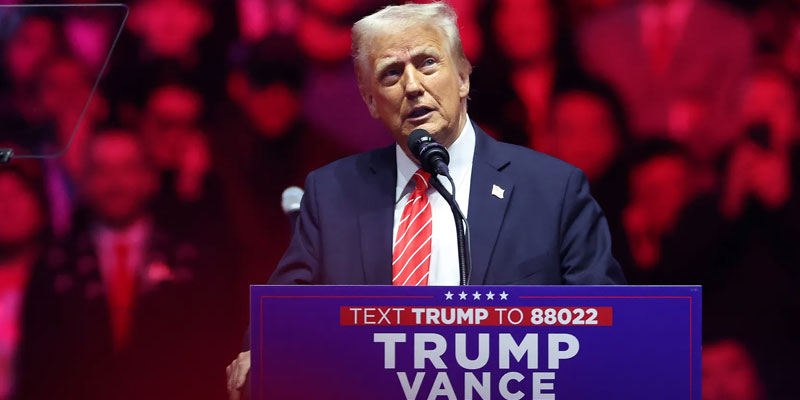
The return of Donald Trump to the White House has ushered in a sweeping immigration enforcement drive that is already reshaping migrant communities across the United States. Within days of beginning his second term, the administration rolled out a series of executive measures aimed at accelerating deportations, tightening border controls and expanding workplace verification rules. Officials have framed the campaign as a national security and public safety effort, promising the “largest deportation operation” in US history and a renewed focus on undocumented migrants with criminal records.
Arrests by immigration authorities have surged, and coordination with foreign governments has increased to facilitate removals. India is among the countries cooperating on verification and repatriation of nationals, with early deportation flights already drawing attention in both Washington and New Delhi.
89 Indians on DHS ‘Worst of the Worst’ List
A new Department of Homeland Security (DHS) database spotlighting convicted undocumented offenders has further intensified scrutiny. The publicly accessible list profiles thousands of individuals accused or convicted of serious crimes, including 89 people of Indian origin.
Most of those named face charges linked to financial fraud, drug trafficking, assault or other criminal offences. Officials say the list is intended to highlight enforcement priorities and demonstrate transparency around arrests. However, its publication has sparked debate about privacy, profiling and the broader impact on immigrant communities.
For Indian authorities, the development has created both diplomatic and consular challenges. While New Delhi has signalled cooperation on deportations involving verified nationals, it has also emphasised due process and humane treatment. The presence of Indians on the database has drawn particular attention given the size and influence of the Indian-origin population in the United States.
Impact on the Indian Diaspora in the US
The policy shift is reverberating across the wider Indian diaspora, which numbers several million and includes a large share of skilled workers and students. For undocumented Indians—estimated in the hundreds of thousands—the crackdown has heightened fears of detention and deportation. Families face uncertainty, especially where members hold mixed immigration statuses.
Even among legal migrants, the tightening environment has had ripple effects. Stricter visa scrutiny, compliance checks and employment verification rules have created anxiety for professionals in technology, healthcare and academia. Students and temporary workers worry about future pathways to residency, while businesses reliant on Indian talent are bracing for higher compliance costs and workforce disruptions.
At the same time, community groups report rising concern about stigma and public perception. High-profile enforcement actions and databases naming offenders risk reinforcing negative stereotypes, even though the majority of Indian-origin residents are law-abiding and economically successful. Analysts note that remittances, entrepreneurship and professional contributions by the diaspora remain substantial, making the community a key bridge between the two countries.
What Lies Ahead for the Indian Diaspora and US–India Ties
Trump’s renewed immigration drive marks a decisive shift toward stricter enforcement and public accountability. The inclusion of Indians on a high-profile DHS list underscores the global reach of US immigration policy and its domestic political resonance. While authorities argue the measures enhance security and deterrence, the broader impact on families, skilled migrants and bilateral relations is still unfolding. For the Indian diaspora, the moment underscores both vulnerability and resilience as communities navigate a more uncertain immigration landscape in the United States.
(With agency inputs)