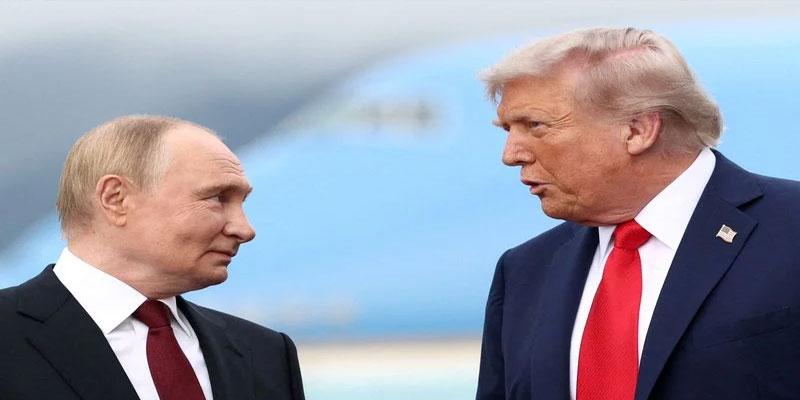
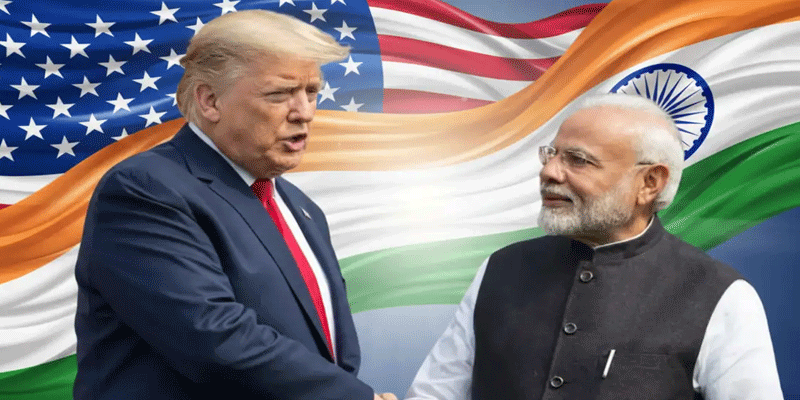
US President Donald Trump has claimed that a breakthrough nuclear understanding with Iran is on the verge of completion, saying a “very strong memorandum of understanding” could be signed as early as this weekend. Speaking at the White House, Trump suggested that Iran’s Supreme Leader had informally approved the framework and described the proposed arrangement as a “great settlement” designed to permanently prevent Tehran from obtaining a nuclear weapon. Yet even as Trump projected confidence, Iranian officials swiftly pushed back, insisting that no final agreement has been reached and that several contentious issues remain unresolved.
Trump’s Optimism and the Proposed Agreement
Trump’s remarks mark the strongest indication yet from Washington that months of indirect negotiations may be nearing a conclusion. According to the US position, the proposed memorandum would require Iran to pledge never to develop a nuclear weapon, reopen the Strait of Hormuz to unrestricted maritime traffic, remove remaining sea mines, and cooperate with the United States and the International Atomic Energy Agency in dismantling and destroying highly enriched uranium stockpiles.
The framework also reportedly includes the release of nearly $12 billion in frozen Iranian assets, a major economic incentive for Tehran. Trump suggested the deal would likely be signed in Europe, portraying the negotiations as a diplomatic success capable of easing tensions in West Asia after months of military escalation.
The Core Dispute Over Uranium Enrichment
Despite Trump’s confidence, the negotiations remain deadlocked over one central issue: Iran’s enriched uranium stockpile. Washington insists that Iran surrender and remove its highly enriched uranium from the country, particularly the estimated 440 kilograms enriched to 60 per cent purity — dangerously close to weapons-grade material, which begins at around 90 per cent enrichment.
Iran, however, has categorically opposed exporting its uranium reserves. Tehran maintains that uranium enrichment is a sovereign right and argues that abandoning the programme would undermine national interests and strategic security. Iranian leaders have repeatedly stated that Supreme Leader Ayatollah Khamenei has forbidden the transfer of enriched uranium outside the country.
This disagreement has emerged as the biggest obstacle to a final settlement. While the US reportedly wants Iran either to permanently abandon enrichment or suspend it for up to two decades, Tehran continues to reject both proposals.
Background to the Negotiations
The current diplomatic push follows months of regional instability and military confrontation. After the April 7 ceasefire, Trump reportedly gave Iran a 60-day deadline to conclude negotiations. When no agreement materialised within that timeframe, Israel launched strikes against Iranian targets, escalating fears of a wider conflict.
Subsequent rounds of talks produced partial progress. On May 25, Iranian officials acknowledged that “conclusions” had been reached on several major issues but cautioned that a signing was “not imminent”. Earlier, at a BRICS meeting in New Delhi on May 15, Iranian Foreign Minister Abbas Araghchi admitted that negotiations were “deadlocked” over the future of highly enriched uranium.
Uncertain Path Ahead
Although Trump has projected the image of an imminent diplomatic breakthrough, Iran’s public rejection of his claims reveals how fragile the negotiations remain. The dispute over Tehran’s near-weapons-grade uranium stockpile continues to define the broader battle over Iran’s nuclear future. Unless both sides bridge that divide, the proposed memorandum may remain more symbolic than substantive. For now, the possibility of a historic agreement exists — but so does the risk of another prolonged impasse.
(With agency inputs)