India Rejects Pakistan’s Accusations
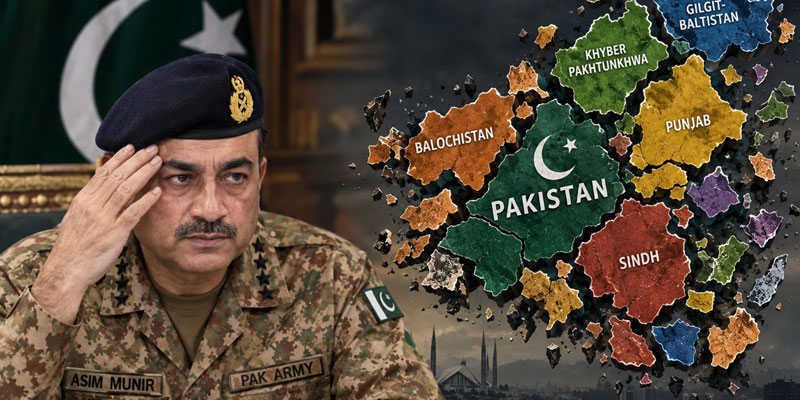
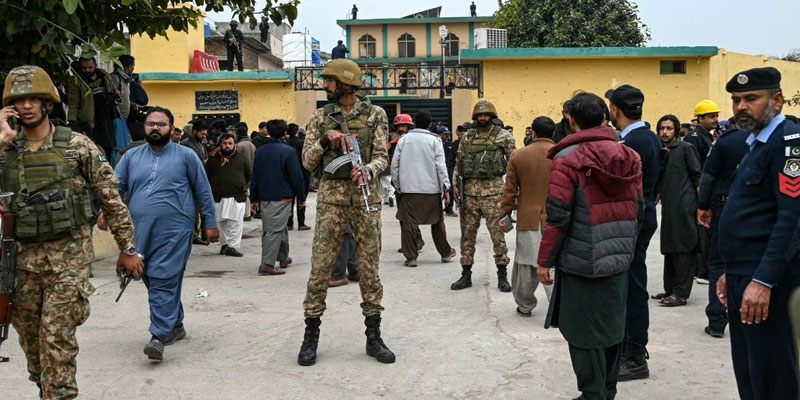
In the aftermath of a deadly mosque bombing in Islamabad, India has forcefully rejected Pakistan’s claims linking New Delhi to the attack, calling them “baseless” and politically motivated. India’s Ministry of External Affairs (MEA) condemned the violence and offered condolences to victims, while accusing Islamabad of deflecting attention from its internal security failures by blaming external actors.
A Tragedy and a Diplomatic Flashpoint
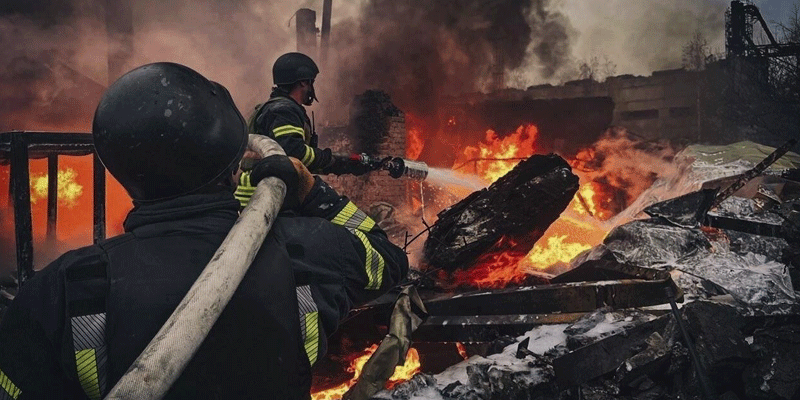
The February 2026 suicide bombing at a Shia Mosque in Islamabad’s Tarlai Kalan area killed dozens of worshippers and injured many more during Friday prayers, marking one of the most serious attacks in the capital in recent years. Pakistani officials quickly suggested the involvement of “foreign-backed proxies,” with some statements pointing toward India. New Delhi responded sharply, denying any role and urging Pakistan to focus on addressing domestic militancy and sectarian violence.
This exchange has reignited longstanding tensions between the two neighbours, whose diplomatic relations remain strained following a series of security incidents and political disputes in recent years.
Competing Narratives and Political Context
Pakistan’s leadership framed the blast as part of a broader pattern of external interference, with some officials citing alleged links between the attacker and cross-border networks. However, no verifiable evidence was publicly presented. India countered that such accusations reflect a recurring pattern of attributing internal security challenges to external actors, particularly during periods of heightened domestic instability.
The episode comes against a backdrop of rising militant violence in Pakistan, including attacks attributed to extremist organisations and sectarian groups. Analysts note that domestic security pressures, political competition, and regional dynamics often shape official narratives following major attacks.
What Groups Claimed Responsibility for the Islamabad Mosque Blast
Responsibility for the bombing remains contested. Initially, no group formally acknowledged carrying out the attack, though investigators suggested possible involvement by militant organisations with a history of targeting Shia communities. Intelligence assessments pointed toward factions of Tehrik-i-Taliban Pakistan (TTP) or affiliated networks such as Jamaat-ul-Ahrar, which have previously carried out sectarian attacks across the country.
Subsequently, online channels linked to the Islamic State’s regional affiliate reportedly circulated claims and images suggesting responsibility. While such statements matched patterns seen in past attacks—including the use of suicide bombers and targeting of religious minorities—authorities have yet to confirm their authenticity. The overlapping presence of multiple militant outfits, along with rivalries among them, complicates attribution.
Historically, both ISKP-linked cells and TTP factions have targeted Shia mosques and religious gatherings in Pakistan, reflecting deep-seated sectarian tensions. The absence of a clear, verified claim in this case underscores the fragmented militant landscape and the challenges facing investigators.
Security Implications and Regional Fallout
The blast has heightened sectarian anxieties within Pakistan and prompted increased security alerts, including advisories from foreign missions. It also underscores the persistence of militant networks despite repeated counterterrorism operations. For India, the incident has become another point of diplomatic friction, with New Delhi emphasising the need for Pakistan to tackle extremism domestically rather than externalising blame.
At the regional level, the attack highlights broader security concerns in South Asia, including cross-border militancy, evolving extremist networks, and fragile political environments. These factors complicate efforts at bilateral dialogue and cooperation.
Beyond Blame, the Need for Accountability
The Islamabad Mosque bombing is a stark reminder of the continuing threat posed by extremist violence in the region. While diplomatic exchanges between India and Pakistan have sharpened in its aftermath, the broader challenge lies in addressing the root causes of militancy and sectarianism. Clear attribution, transparent investigations, and sustained counterterrorism efforts will be essential to prevent future attacks.
Ultimately, moving beyond mutual recriminations toward cooperative approaches—however difficult—remains crucial for regional stability. Without confronting internal security challenges and fostering credible dialogue, incidents like this risk deepening mistrust and prolonging cycles of accusation rather than resolution.
(With agency inputs)