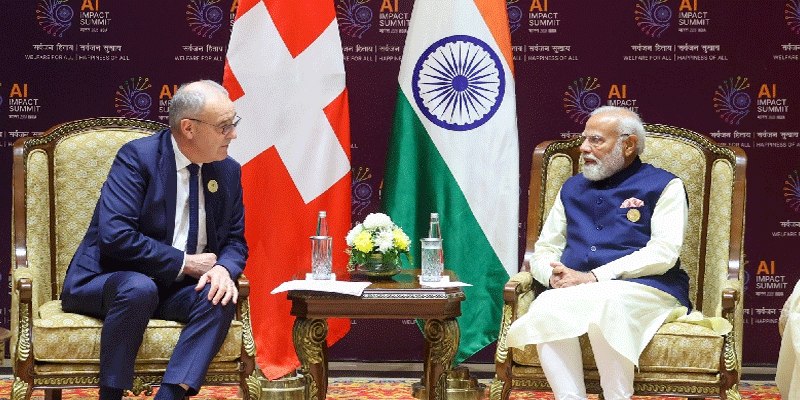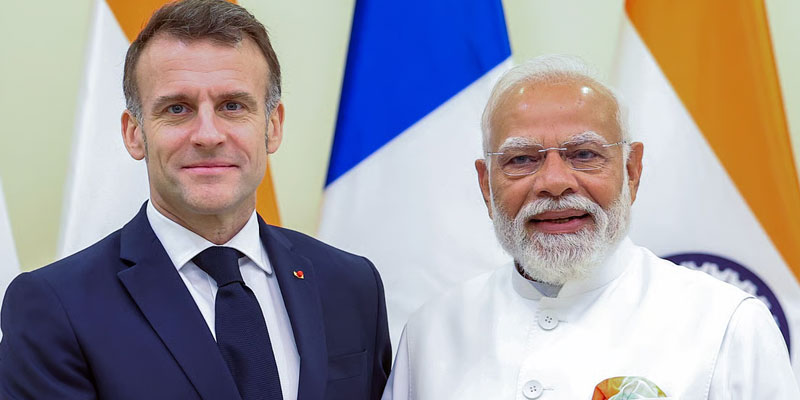
French President Emmanuel Macron has invited Prime Minister Narendra Modi to attend the 52nd G7 Summit, which France will host in 2026, underlining the growing strategic importance of India in global diplomacy. Modi’s official visit to France, covering engagements in Nice and Paris, is expected to deepen cooperation across defence, technology, space exploration, nuclear energy and education, while reinforcing what both countries now describe as a “Special Global Strategic Partnership”.
Why France Wants India at the G7
France views India as an indispensable partner in addressing major global challenges, ranging from geopolitical conflicts to economic realignments and technological transformation. French diplomatic sources have indicated that bringing India into high-level G7 discussions was a top priority for Macron’s administration because of the deepening trust between the two countries.
The upcoming summit is expected to focus on issues such as the Russia-Ukraine war, tensions in West Asia, artificial intelligence, global economic stability and development partnerships. France sees India as a crucial voice representing the Global South and an increasingly influential actor in shaping the international order.
This reflects a broader shift in global geopolitics where India is no longer viewed merely as a regional power but as a major strategic player with growing influence across economic, technological and security domains.
Background of India-France Relations
India and France have steadily strengthened ties over the past two decades, particularly in defence, civil nuclear cooperation and Indo-Pacific security. France has consistently supported India on sensitive geopolitical issues and has emerged as one of New Delhi’s closest partners in Europe.
The relationship formally evolved into a strategic partnership in 1998 and has now entered what both sides call a “Special Global Strategic Partnership”, signalling greater strategic convergence in a rapidly changing world.
Unlike many Western partnerships, India-France relations have remained relatively stable and free from major political friction. Both countries share concerns about maintaining strategic autonomy, promoting a multipolar world order and ensuring a rules-based Indo-Pacific region.
Key Topics Likely During Modi-Macron Talks
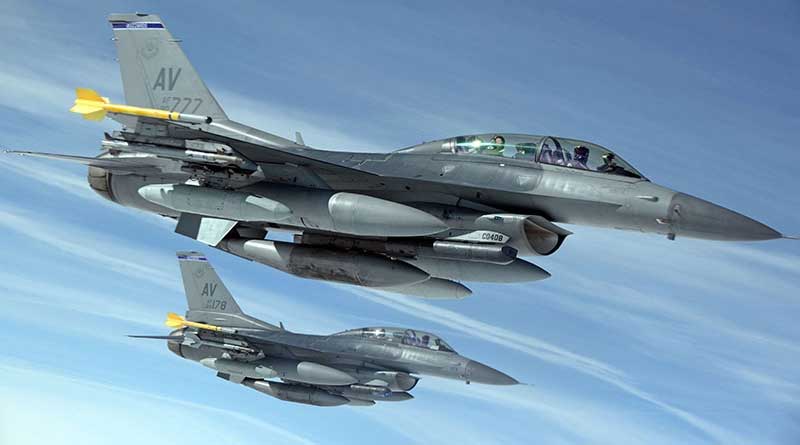
The Modi-Macron discussions are expected to cover a broad spectrum of cooperation areas. Defence remains central, particularly collaboration involving advanced military platforms, maritime security and Indo-Pacific coordination.
Space exploration and science partnerships are also likely to receive significant attention. India and France already cooperate through joint space missions and satellite programmes, and both sides are expected to discuss expanding collaboration in emerging technologies and scientific research.
Civil nuclear energy cooperation, including progress on the Jaitapur Nuclear Power Plant project, is expected to feature prominently. Critical minerals and advanced technology supply chains may also emerge as important agenda items amid global competition over strategic resources.
Another major focus will be education and people-to-people exchanges. France has announced ambitious plans to host 30,000 Indian students by 2030, accompanied by reforms aimed at simplifying visa procedures and long-term academic mobility.
Modi is also expected to participate in VivaTech, one of Europe’s leading technology events, highlighting growing India-France collaboration in startups, innovation and digital transformation.
Beyond Diplomacy: A Broader Strategic Vision
The India-France partnership increasingly extends beyond bilateral ties into wider global coordination. Both countries support strengthening multilateral institutions, ensuring maritime security and balancing geopolitical competition in the Indo-Pacific.
France also sees India as a trusted democratic partner capable of contributing to global stability amid rising geopolitical fragmentation.
A Partnership Entering a New Strategic Era
Macron’s invitation to Modi for the G7 summit reflects more than diplomatic courtesy; it signals France’s recognition of India’s expanding global influence. As geopolitical tensions reshape international alliances, India and France are positioning themselves as long-term strategic partners across defence, technology, energy and global governance. Their evolving relationship demonstrates how middle and major powers are building flexible partnerships to navigate an increasingly uncertain world order.
(With agency inputs)